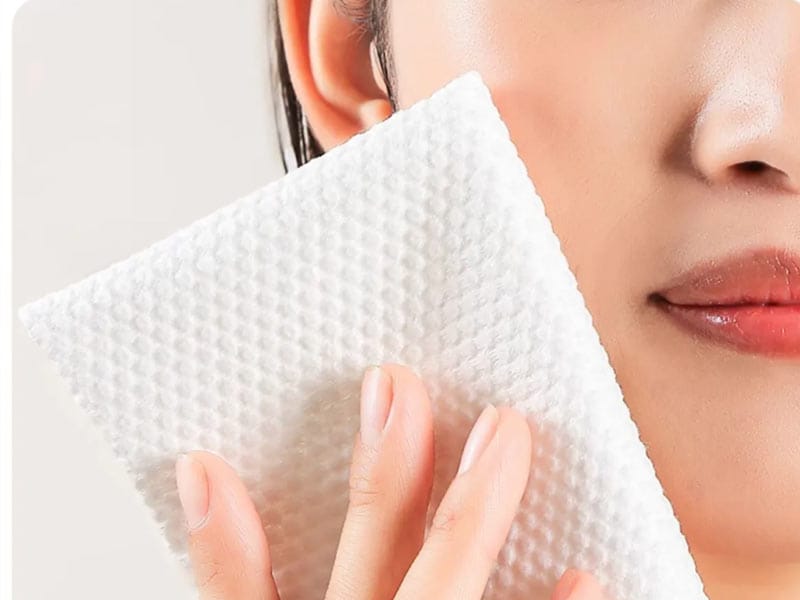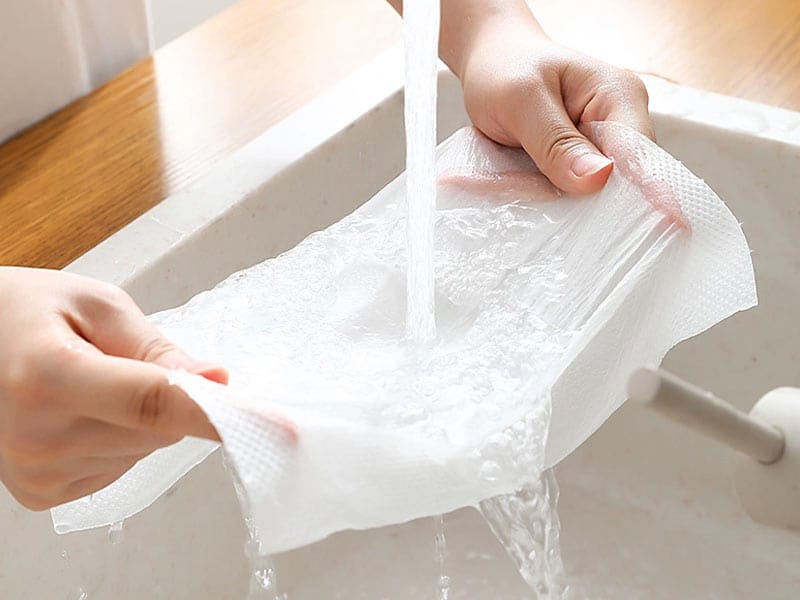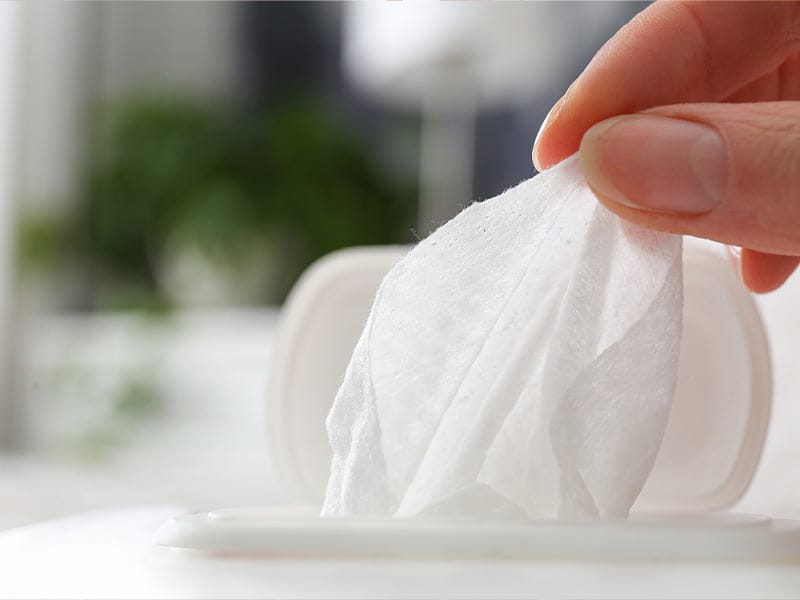
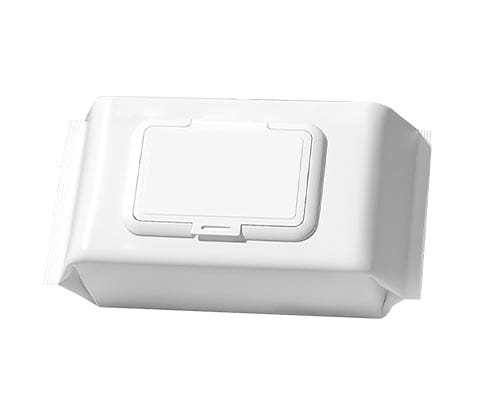
Wet wipes packaging plays a critical role in product performance, user experience, and brand positioning. For businesses entering the hygiene and personal care market, choosing the right wet wipes packaging is just as important as selecting the right formulation or material. Packaging not only protects the product and maintains moisture but also directly influences customer perception and purchasing decisions.
In this guide, we explore wet wipes packaging in detail, including different types, materials, customization options, and how businesses can choose the best solution for their private label products.
Table of Contents
Why Wet Wipes Packaging Matters
Wet wipes packaging serves multiple functions beyond simple containment. It ensures product quality, extends shelf life, and enhances usability.
Product Protection and Moisture Retention
One of the primary roles of wet wipes packaging is to prevent moisture loss. Proper sealing and material selection help maintain the effectiveness of the wipes over time.
User Convenience
Packaging design affects how easily consumers can access and reseal the wipes. Convenient packaging improves user experience and encourages repeat purchases.
Brand Image and Market Positioning
Packaging is often the first point of contact between a product and the customer. High-quality design and materials can elevate brand perception and differentiate products in a competitive market.
Types of Wet Wipes Packaging
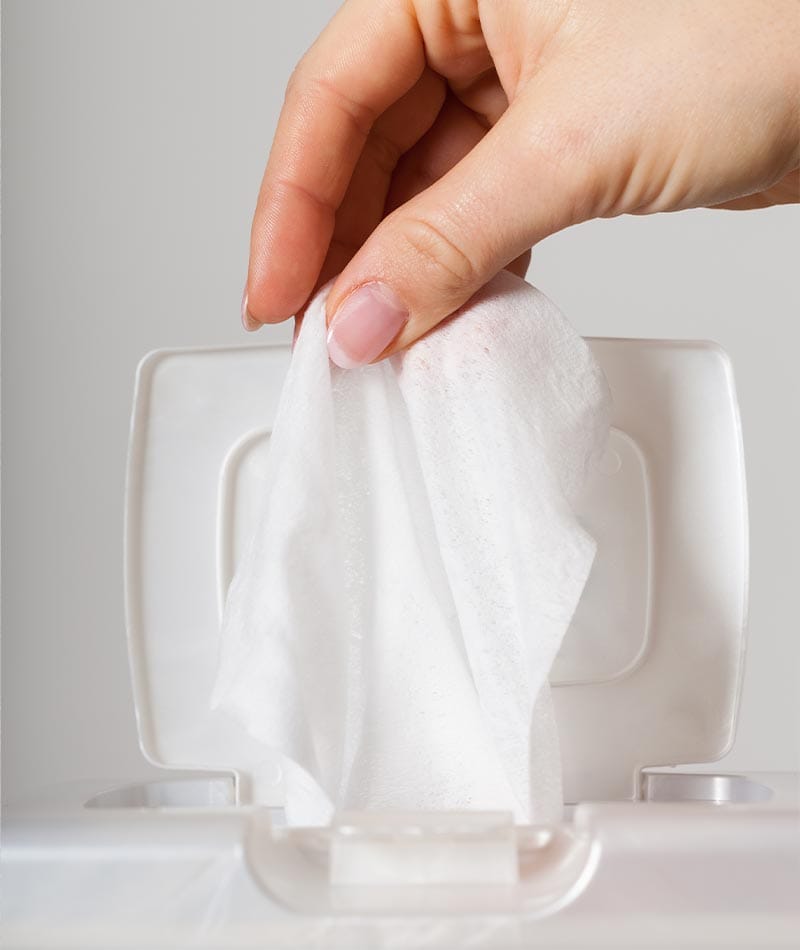
Understanding different wet wipes packaging types helps businesses select the most suitable option for their target market.
Flow Pack Packaging
Flow packs are the most common type of wet wipes packaging. They are flexible, lightweight, and cost-effective.
They are widely used for baby wipes and household cleaning wipes due to their practicality and ease of use.
Tub Packaging
Tub packaging provides a more durable and reusable option. It is often used for disinfectant wipes and industrial applications.
The rigid container helps maintain moisture and is ideal for high-frequency use.
Canister Packaging
Canisters are similar to tubs but are typically designed for larger volumes. They are commonly used in commercial and healthcare environments.
Travel Pack Packaging
Travel packs are compact and portable. This type of wet wipes packaging is ideal for on-the-go use and promotional products.
Materials Used in Wet Wipes Packaging
The materials used in wet wipes packaging affect durability, cost, and environmental impact.
Plastic Films
Plastic films are widely used due to their flexibility and ability to retain moisture. They are commonly used in flow pack packaging.
Rigid Plastics
Rigid plastics are used for tubs and canisters. They provide durability and better protection but may have higher production costs.
Biodegradable Materials
Eco-friendly wet wipes packaging is becoming more popular. Biodegradable materials help reduce environmental impact and appeal to sustainability-focused consumers.
Recyclable Packaging Options
Recyclable materials offer a balance between practicality and environmental responsibility, making them a preferred choice for many brands.
Custom Wet Wipes Packaging Options
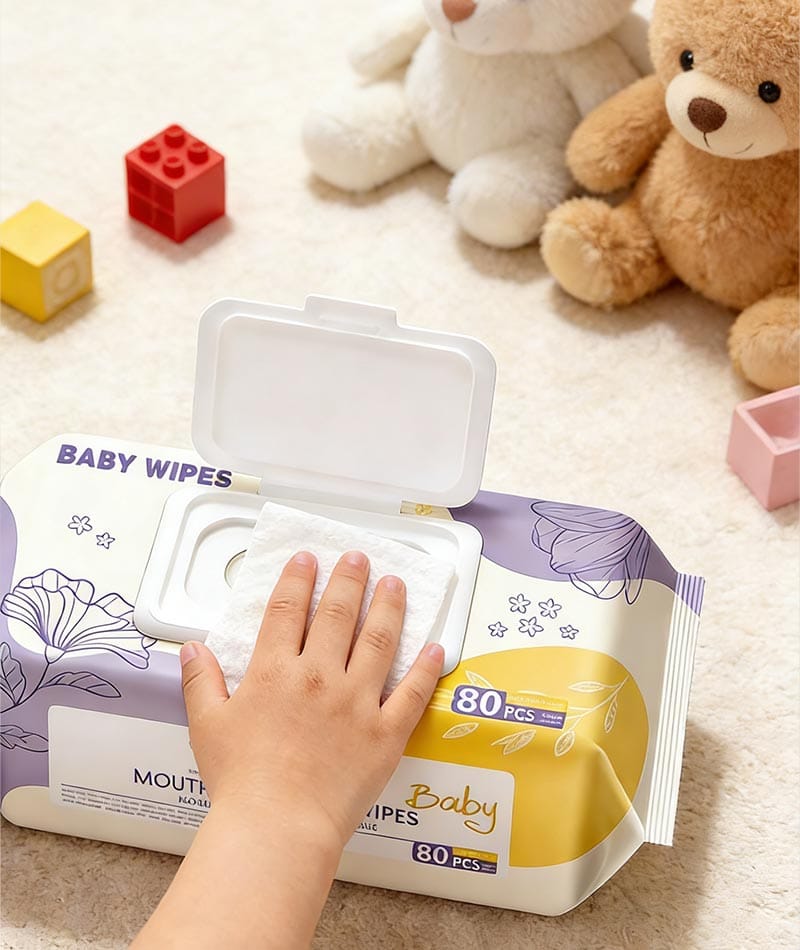
Customization is essential for private label brands looking to stand out in the market.
Packaging Design and Branding
Custom printing allows businesses to display logos, colors, and product information clearly. Strong branding improves product recognition and customer trust.
Size and Format Customization
Packaging can be tailored to different sizes, from small travel packs to large bulk containers. This flexibility helps target different market segments.
Functional Features
Additional features such as resealable lids, flip-top caps, and easy-open labels improve usability and convenience.
How to Choose the Right Wet Wipes Packaging
Selecting the right wet wipes packaging depends on multiple factors.
Understand Your Target Market
Different markets have different preferences. Retail consumers often prefer convenient and portable packaging, while commercial buyers may prioritize durability and volume.
Consider Product Type
Baby wipes, disinfectant wipes, and industrial wipes may require different packaging solutions based on usage and storage conditions.
Balance Cost and Quality
While cost is an important factor, investing in high-quality packaging can improve customer satisfaction and brand perception.
Work With an Experienced Manufacturer
OEM manufacturers can provide guidance on selecting the best wet wipes packaging based on product specifications and market requirements.
Cost Factors in Wet Wipes Packaging
Understanding cost components helps businesses make informed decisions.
Material Costs
Different materials have varying costs. Biodegradable and premium materials are typically more expensive.
Customization Costs
Custom printing, unique designs, and special features can increase production costs.
Production Volume
Higher order quantities usually reduce the cost per unit, making large-scale production more cost-effective.
Trends in Wet Wipes Packaging
The wet wipes packaging industry is evolving with changing consumer preferences and environmental concerns.
Sustainable Packaging
There is increasing demand for eco-friendly wet wipes packaging, including biodegradable and recyclable options.
Minimalist Design
Simple and clean packaging designs are becoming more popular, reflecting modern consumer preferences.
Smart Packaging Features
Innovations such as improved sealing systems and user-friendly dispensing methods enhance product usability.
Common Mistakes to Avoid
Businesses should avoid common mistakes when selecting wet wipes packaging.
Ignoring User Experience
Packaging that is difficult to open or reseal can negatively impact customer satisfaction.
Overlooking Environmental Impact
Failing to consider sustainability may limit market appeal, especially in eco-conscious regions.
Choosing Low-Quality Materials
Poor packaging can lead to moisture loss and reduced product performance.
Conclusion
Wet wipes packaging is a key factor in product success, influencing quality, usability, and brand perception. By understanding different types, materials, and customization options, businesses can make informed decisions that align with their market strategy. Working with a reliable OEM manufacturer ensures that packaging meets both functional and branding requirements, helping businesses build competitive and successful private label products.
FAQ
What is the most common wet wipes packaging type?
Flow pack packaging is the most widely used due to its cost-effectiveness and convenience.
Can wet wipes packaging be customized?
Yes, OEM manufacturers offer various customization options including design, size, and features.
What materials are used in wet wipes packaging?
Common materials include plastic films, rigid plastics, and biodegradable materials.
Is eco-friendly packaging available?
Yes, many manufacturers offer biodegradable and recyclable packaging options.
How do I choose the right packaging?
Consider your product type, target market, and budget when selecting packaging.