Disinfectant wipes and cleaning wipes are widely used in households, offices, and commercial environments, but many buyers and consumers are not fully aware of the differences between them. While both types of wipes are designed to clean surfaces, their functions, formulations, and applications vary significantly. Understanding the distinction between disinfectant wipes and cleaning wipes is essential for businesses, distributors, and private label brands looking to choose the right product for their target market.
This guide provides a detailed comparison of disinfectant wipes vs cleaning wipes, including how they work, their key ingredients, use cases, and how to select the right option for different applications.
Table of Contents
What Are Disinfectant Wipes?
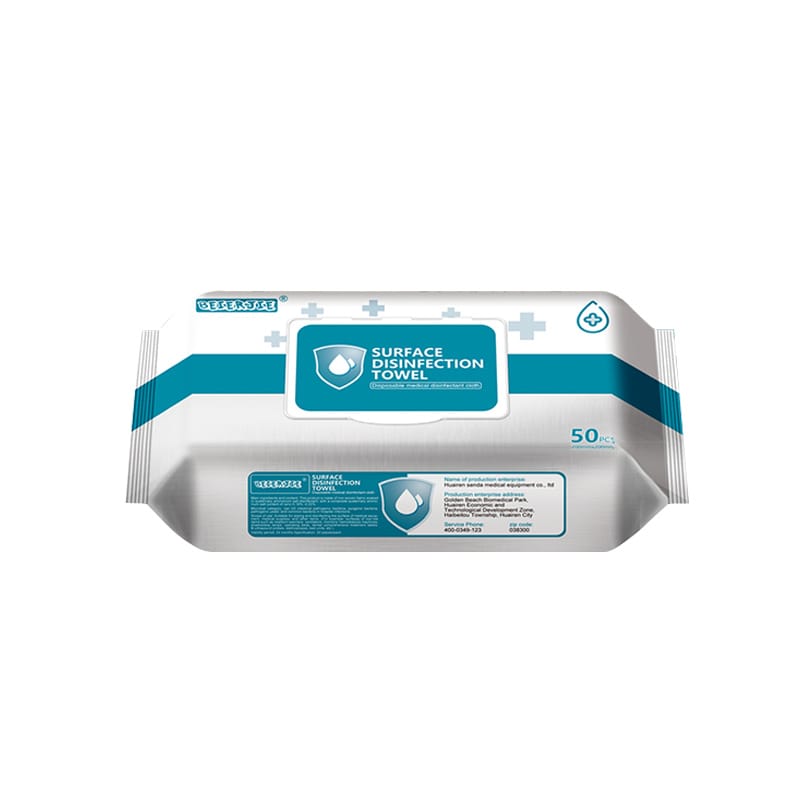
Disinfectant wipes are specially formulated to kill bacteria, viruses, and other harmful microorganisms on surfaces. They contain active ingredients that meet regulatory standards for disinfection, making them suitable for environments where hygiene is critical.
How Disinfectant Wipes Work
Disinfectant wipes work by using chemical agents to destroy the cell structure of microorganisms. These active ingredients are designed to eliminate germs effectively when used according to instructions, including proper contact time.
Common Ingredients in Disinfectant Wipes
Typical ingredients include alcohol, quaternary ammonium compounds, or other approved disinfecting agents. These ingredients are selected based on their ability to kill a broad range of pathogens.
Where Disinfectant Wipes Are Used
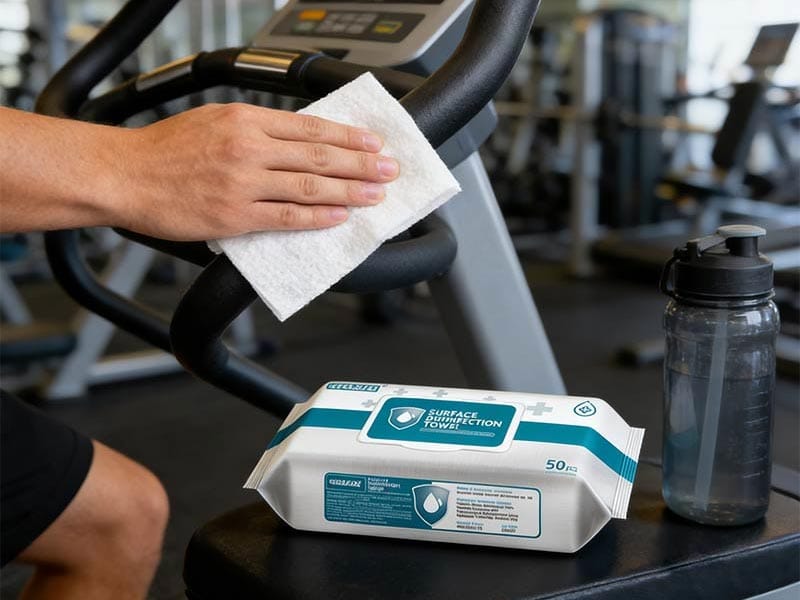
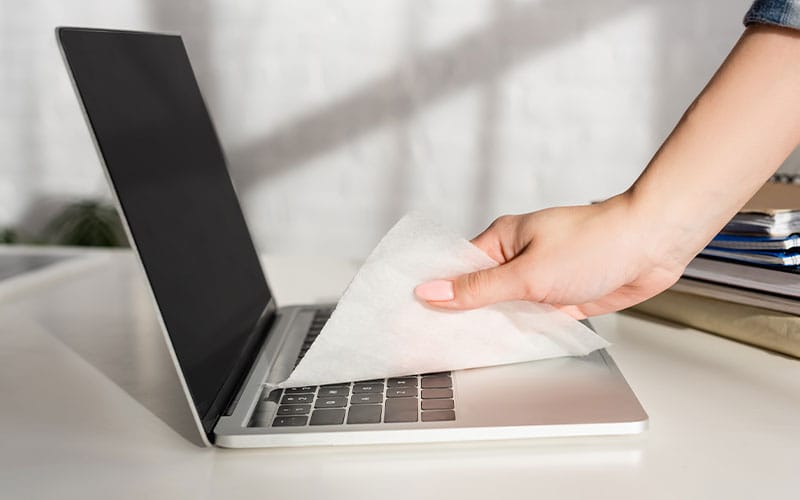
Disinfectant wipes are commonly used in hospitals, offices, public facilities, and households where a higher level of hygiene is required. They are especially useful for high-touch surfaces such as door handles, desks, and electronic devices.
What Are Cleaning Wipes?
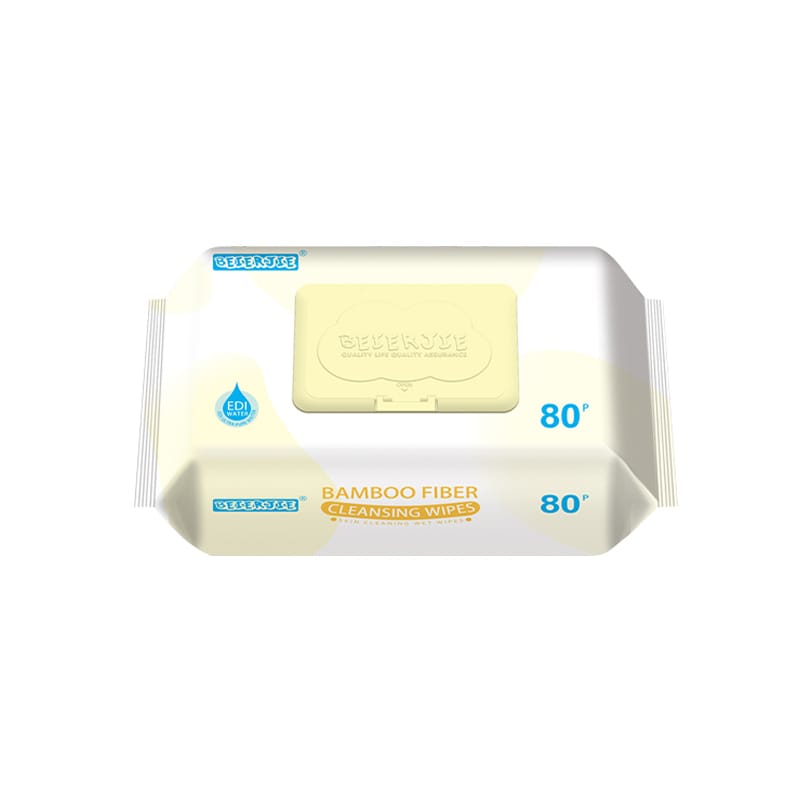
Cleaning wipes are designed to remove dirt, grease, and impurities from surfaces. Unlike disinfectant wipes, they do not necessarily kill bacteria or viruses but focus on general cleaning.
How Cleaning Wipes Work
Cleaning wipes use mild detergents or surfactants to lift and remove dirt from surfaces. They are effective for everyday cleaning tasks but do not provide the same level of germ protection as disinfectant wipes.
Common Ingredients in Cleaning Wipes
These wipes often contain water-based solutions, mild cleaning agents, and sometimes fragrance for a fresh scent. They are generally safer for frequent use and suitable for a wide range of surfaces.
Typical Use Cases
Cleaning wipes are commonly used in homes, kitchens, and offices for routine cleaning. They are ideal for removing dust, spills, and light stains.
Key Differences Between Disinfectant Wipes and Cleaning Wipes
Understanding the differences helps businesses and consumers choose the right product for their needs.
Function and Purpose
The primary difference lies in their purpose. Disinfectant wipes are designed to kill germs, while cleaning wipes are intended to remove dirt and debris.
Ingredients and Formulation
Disinfectant wipes contain active antimicrobial agents, whereas cleaning wipes rely on mild cleaning solutions without germ-killing properties.
Application Scenarios
Disinfectant wipes are used in environments requiring hygiene control, while cleaning wipes are suitable for general maintenance and surface cleaning.
Comparison Table: Disinfectant Wipes vs Cleaning Wipes
| Feature | Disinfectant Wipes | Cleaning Wipes |
|---|---|---|
| Main Function | Kill bacteria and viruses | Remove dirt and grease |
| Active Ingredients | Antimicrobial agents | Mild detergents |
| Usage | Hygiene-critical areas | Everyday cleaning |
| Effectiveness | High against germs | Low against germs |
| Surface Compatibility | Limited (depends on formula) | Wide range |
This table clearly illustrates the core differences in disinfectant wipes vs cleaning wipes, making it easier for businesses to position their products.
Are Disinfectant Wipes Better Than Cleaning Wipes?
The answer depends on the intended use. Disinfectant wipes are more effective for eliminating germs, making them suitable for healthcare and hygiene-sensitive environments. Cleaning wipes, on the other hand, are better for routine cleaning tasks where disinfection is not required.
When to Use Disinfectant Wipes
- In healthcare or medical environments
- For high-touch surfaces
- During illness outbreaks or increased hygiene awareness
When to Use Cleaning Wipes
- For daily household cleaning
- For removing dust and spills
- On delicate surfaces that may be sensitive to strong chemicals
Antibacterial Wipes vs Disinfectant Wipes
Another common comparison is between antibacterial wipes and disinfectant wipes. While both target microorganisms, antibacterial wipes primarily focus on bacteria, whereas disinfectant wipes can target a broader range of pathogens, including viruses.
Key Differences
- Antibacterial wipes: Target bacteria only
- Disinfectant wipes: Target bacteria and viruses
Understanding this distinction is important when positioning products in the market.
Choosing the Right Wipes for Your Business
For businesses and private label brands, selecting the right type of wipes depends on target customers, application scenarios, and regulatory requirements.
Identify Your Target Market
Different markets have different needs. Healthcare and commercial clients often require disinfectant wipes, while retail consumers may prefer cleaning wipes for daily use.
Consider Product Positioning
Disinfectant wipes can be positioned as premium or high-performance products, while cleaning wipes are often marketed for convenience and everyday use.
Evaluate OEM Manufacturing Options
Working with an experienced OEM manufacturer allows businesses to customize formulations, packaging, and branding. This flexibility helps create products that meet specific market demands.
Market Trends in Cleaning and Disinfectant Wipes
The demand for disinfectant wipes has grown significantly due to increased awareness of hygiene and health. At the same time, cleaning wipes remain a staple product for everyday use.
Increased Focus on Hygiene
Consumers are more aware of germs and are actively seeking products that provide effective disinfection.
Growth in Multi-Purpose Wipes
Many manufacturers are developing wipes that combine cleaning and disinfecting functions to meet diverse needs.
Demand for Safe and Gentle Formulations
There is a growing preference for wipes that are effective yet safe for skin and surfaces, especially in household environments.
FAQ
What is the main difference between disinfectant wipes and cleaning wipes?
Disinfectant wipes kill germs, while cleaning wipes remove dirt and grease.
Do cleaning wipes kill bacteria?
Most cleaning wipes do not kill bacteria; they are designed for surface cleaning only.
Are disinfectant wipes safe for daily use?
They can be used daily, but may not be necessary for low-risk environments.
Which is better for home use: disinfectant wipes or cleaning wipes?
It depends on your needs; cleaning wipes are sufficient for daily tasks, while disinfectant wipes are better for deeper hygiene.
Can businesses offer both types of wipes?
Yes, offering both allows brands to cover a wider range of customer needs.
Conclusion
Understanding disinfectant wipes vs cleaning wipes is essential for both consumers and businesses. While disinfectant wipes provide strong protection against germs, cleaning wipes offer convenience for everyday cleaning. By choosing the right type based on application and market demand, businesses can better position their products and meet customer expectations. Working with a reliable manufacturer further ensures consistent quality and long-term success in the competitive wipes industry.