Table of Contents
- What GSM Means for Wet Wipes
- Why GSM Affects Buyer Experience
- Material Options and GSM Ranges
- Liquid Ratio and Thickness
- GSM Selection Comparison
- How to Test Samples
- Buying Tips for OEM Projects
- FAQs
- Compare Wet Wipes GSM Options with Beierjie
Wet wipes GSM is one of the simplest numbers on a specification sheet, but it has a large effect on how a wipe feels, absorbs liquid, dispenses, and performs in use. For OEM buyers, choosing the right fabric weight is not about selecting the heaviest material every time. It is about matching fabric weight to product purpose, packaging, formula, and target price position.
This guide explains wet wipes GSM for private label buyers comparing baby wipes, facial wipes, household wipes, disinfecting wipes, and disposable cleaning wipes. It helps you ask better questions before approving samples.
What GSM Means for Wet Wipes
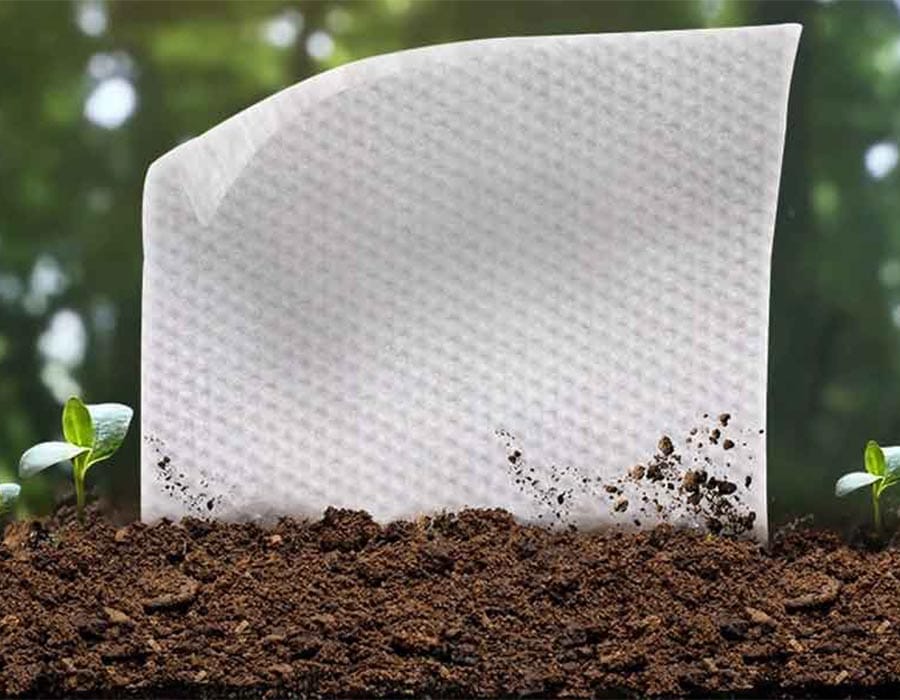
GSM means grams per square meter. In wet wipes production, wet wipes GSM describes the weight of the dry nonwoven fabric before liquid is added. A higher GSM value usually means a heavier sheet, but it does not automatically mean better performance.
Fabric structure, fiber type, embossing, liquid ratio, and sheet size all influence the final wipe. Two materials with the same fabric weight can feel different if one uses a softer fiber blend or a different nonwoven process.
Why GSM Affects Buyer Experience
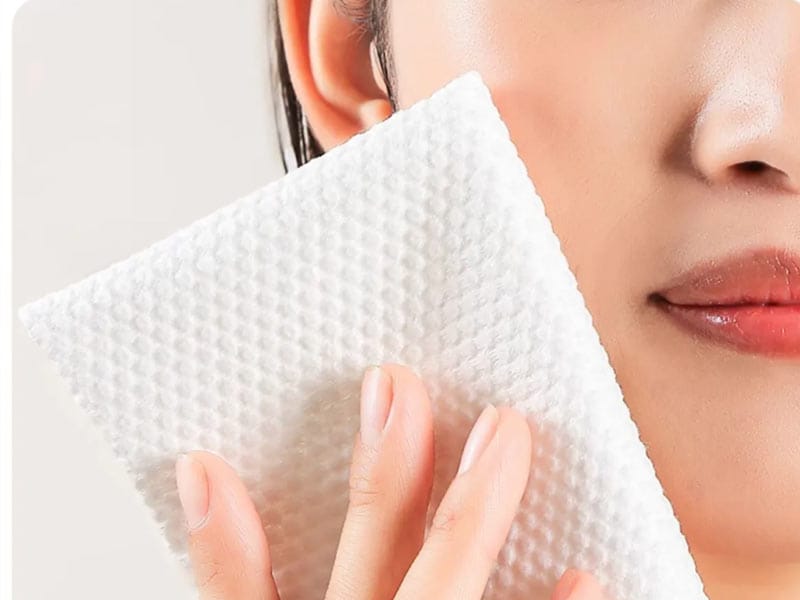
Wet wipes GSM affects softness, strength, thickness, drape, absorption, and perceived quality. A baby wipe with very low material weight may feel thin. A surface cleaning wipe with insufficient GSM may tear under pressure. A facial wipe with too much thickness may feel bulky or leave too much liquid on the skin.
Buyers should connect fabric weight to use case. A gentle personal care wipe needs comfort and controlled wetness. A kitchen wipe needs strength and scrubbing ability. A travel wipe needs compact packaging and reliable dispensing.
Material Options and GSM Ranges
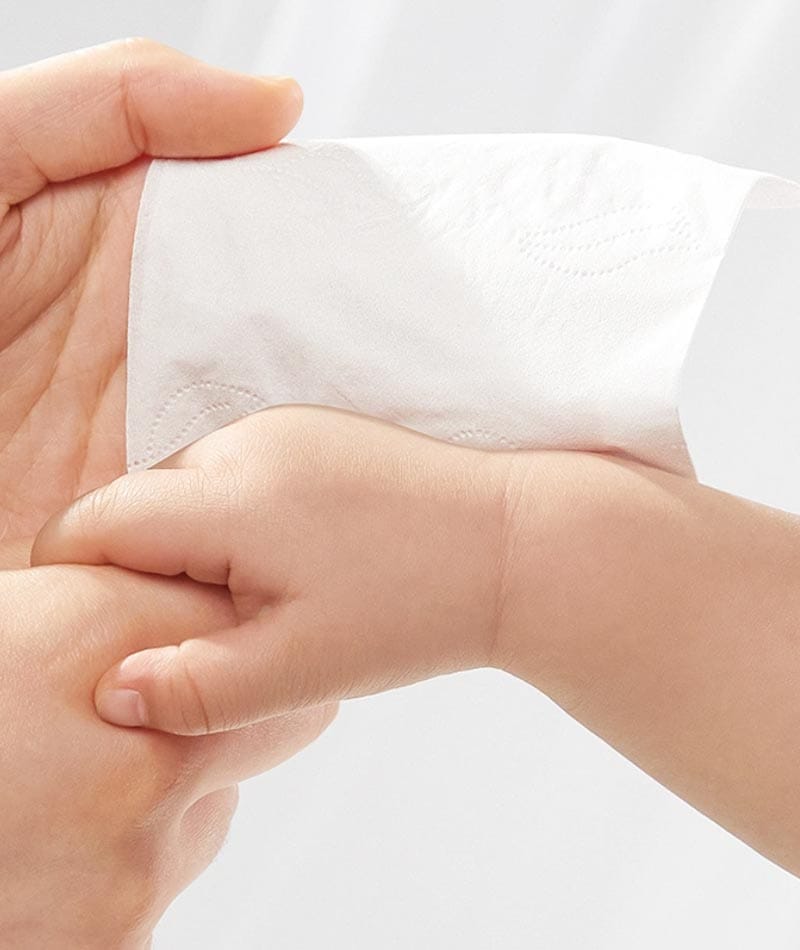
Common wet wipes materials include spunlace nonwoven, viscose blends, polyester blends, cotton-like substrates, bamboo-derived materials, and other plant-based options. Each material behaves differently at the same GSM value, so sample comparison is more useful than judging by number alone. The basic nonwoven fabric structure is one reason hand feel can vary so much.
When reviewing sustainable or biodegradable concepts, ask for the actual material specification. Wet wipes GSM should be considered together with fiber composition, softness, strength, and whether the material supports the intended claim language for the destination market.
Liquid Ratio and Thickness
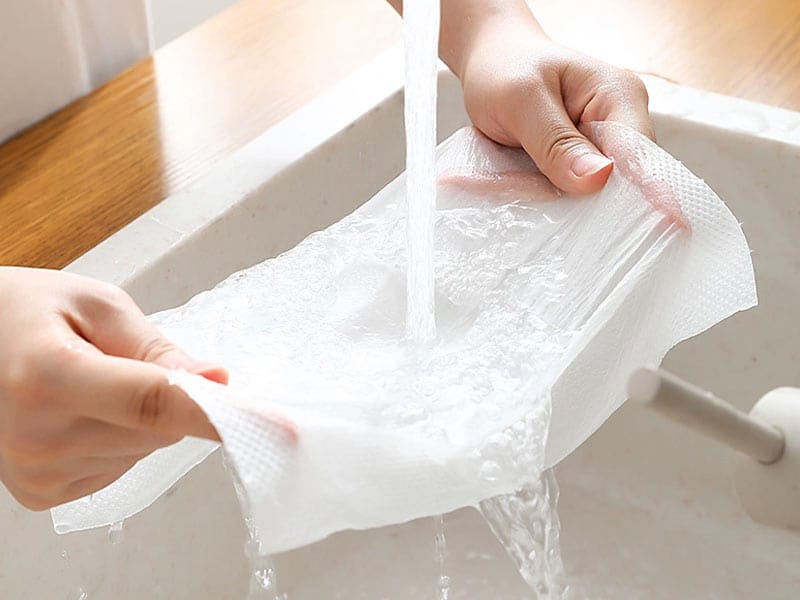
Wet wipes GSM is only part of the moisture experience. Liquid ratio, formula viscosity, sheet size, folding style, and package seal all affect how wet the product feels. A wipe with moderate fabric weight and good liquid balance can perform better than a heavier wipe with poor liquid distribution.
During sample review, squeeze, unfold, pull, and use the wipe in the intended way. If the wipe feels dry, material weight may not be the only issue. Packaging seal, formula loading, storage time, or dispensing design may be involved.
GSM Selection Comparison
| Product type | GSM priority | Key performance need | Buyer note |
|---|---|---|---|
| Baby wipes | Softness and comfort | Gentle wiping and stable moisture | Compare wet wipes GSM with skin feel |
| Facial cleansing wipes | Soft texture | Low irritation and smooth wiping | Avoid judging by thickness alone |
| Kitchen cleaning wipes | Strength | Grease removal and durability | Review fabric weight with surface testing |
| Disinfecting wipes | Liquid carrying ability | Enough wet contact on surfaces | Match GSM with formula loading |
| Travel wipes | Compact balance | Portability and dispensing | Check pack thickness and seal quality |
How to Test Samples
A practical GSM test begins with side-by-side samples. Compare the same wipe size, pack count, and formula where possible. Test hand feel, unfolding, stretch, tearing, lint, moisture, and how the wipe behaves after the pack is opened and resealed.
Ask the supplier whether the quoted GSM refers to dry fabric only and whether tolerance ranges apply. A specification should be clear enough for both sampling and production inspection.
Buying Tips for OEM Projects
Do not choose wet wipes GSM in isolation. Define the use case first, then compare substrate, formula, package style, and cost position. If the brand wants a premium feel, the fabric weight may be higher, but fiber quality and embossing can be just as important.
For multi-SKU projects, keep material specifications consistent where possible to simplify sourcing and quality control. If each SKU needs a different substrate, document the reason clearly so purchasing and inspection teams understand the difference.
FAQs
What does wet wipes GSM mean?
Wet wipes GSM means the weight of the dry nonwoven fabric in grams per square meter. It helps buyers compare fabric weight before liquid is added.
Is higher wet wipes GSM always better?
No. Higher wet wipes GSM can feel thicker, but performance also depends on fiber type, liquid ratio, embossing, wipe size, and product use.
How should I choose GSM for baby wipes?
Choose wet wipes GSM based on softness, strength, moisture feel, and dispensing. Baby wipes should feel gentle and stable, not only thick.
Does GSM affect packaging?
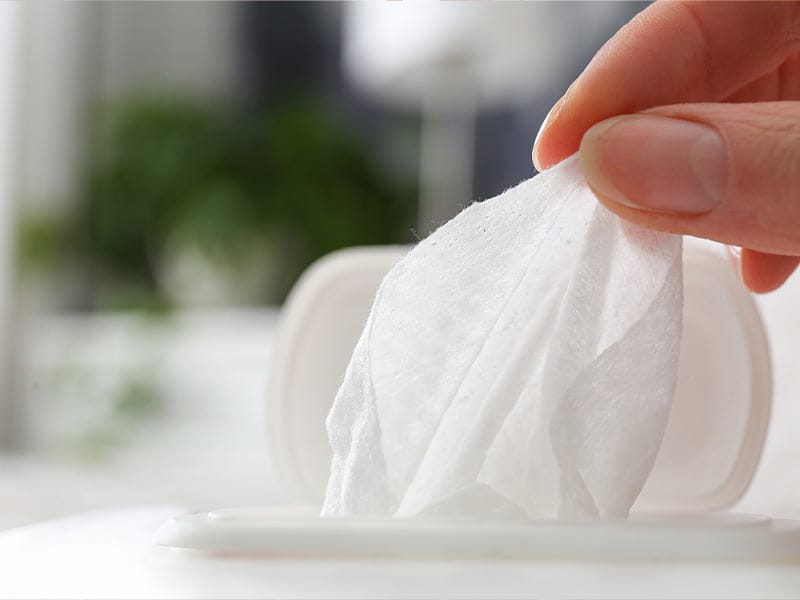
Yes. Higher wet wipes GSM can increase pack thickness and change dispensing behavior, especially for high-count packs and travel packs.
Can Beierjie provide different GSM samples?
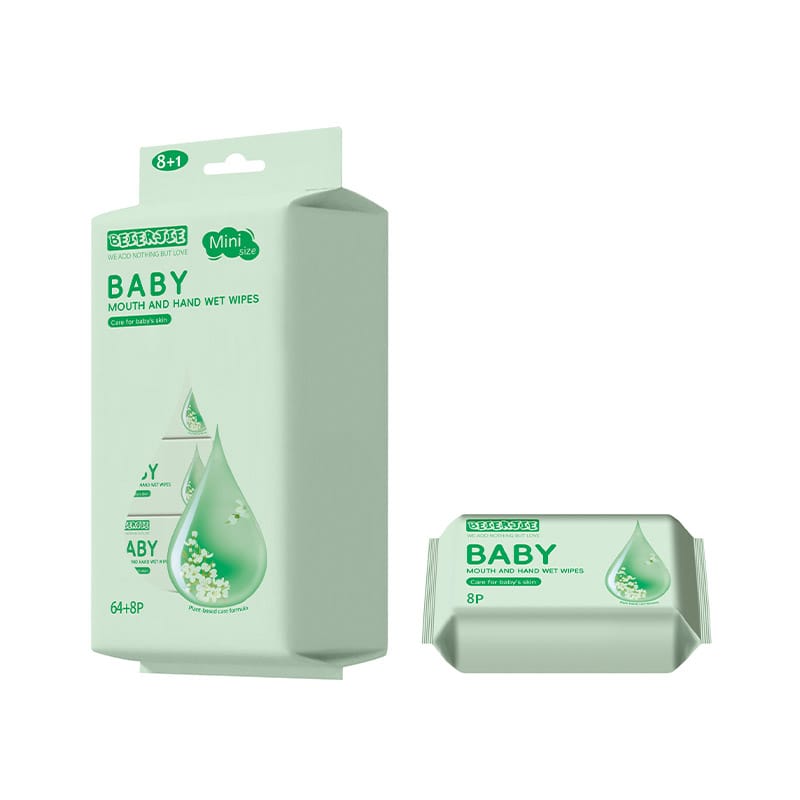
Yes. Beierjie can discuss wet wipes GSM options based on product type, material preference, wipe size, pack count, and target market.
Compare Wet Wipes GSM Options with Beierjie
If you are developing OEM wet wipes, Beierjie can help compare wet wipes GSM, fabric composition, liquid ratio, packaging format, and sample performance. Contact us to prepare material options for your private label project.