Table of Contents
- Why Wet Wipes Dry Out
- Packaging Film and Seal Quality
- Lids and Resealable Labels
- Formula and Liquid Ratio
- Dry-Out Risk Checklist
- Storage and Shipping Conditions
- Quality Tests to Request
- FAQs
- Improve Wet Wipes Packaging with Beierjie
Many quality complaints start with a simple problem: the customer opens a pack and finds the wipes too dry. For OEM buyers, learning how to prevent wet wipes from drying out is essential before approving packaging, formula, and storage plans.
This guide explains how to prevent wet wipes from drying out through better packaging film, sealing, lids, liquid ratio, storage, and quality checks. It is written for private label buyers, distributors, retailers, and product teams sourcing wet wipes from an OEM manufacturer.
Why Wet Wipes Dry Out
Wet wipes dry out when moisture escapes faster than expected or when liquid is not distributed properly from the beginning. To prevent wet wipes from drying out, buyers should review packaging barrier performance, seal quality, lid design, label adhesion, liquid loading, and storage conditions.
The issue is rarely caused by one factor alone. A good formula can still lose moisture if the package seal is weak. A strong pack can still disappoint users if the liquid ratio is too low. That is why OEM projects should prevent wet wipes from drying out through combined product and packaging checks.
Packaging Film and Seal Quality
Packaging film is the first barrier against moisture loss. To prevent wet wipes from drying out, buyers should ask about film structure, seal width, sealing temperature control, pack tightness, and whether the packaging is suitable for the formula.
Seal quality matters during production and shipping. Weak side seals, poor top seals, pinholes, or damaged film can allow moisture to escape. A supplier should check sealing during production, not only after cartons are finished.
Lids and Resealable Labels
The opening system is a common weak point. A resealable label or plastic lid must close reliably after repeated use. To prevent wet wipes from drying out, buyers should test how the label or lid behaves after multiple openings, under different temperatures, and after liquid contact around the opening.
Travel packs, baby wipes, makeup remover wipes, household wipes, and disinfecting wipes may need different closure systems. A large family pack often benefits from a stronger lid, while a small travel pack may use a compact resealable label.
Formula and Liquid Ratio
Liquid ratio is another key factor. To prevent wet wipes from drying out, the manufacturer should match liquid loading to fabric GSM, sheet size, folding method, and intended use. A thicker wipe may need more liquid to feel properly moist.
Formula composition can also affect wetness perception. Some liquids feel lighter, some feel more moisturizing, and some evaporate faster depending on ingredients. Buyers should evaluate samples after storage, not only immediately after production.
Dry-Out Risk Checklist
| Risk area | What can go wrong | How to prevent wet wipes from drying out | Buyer check |
|---|---|---|---|
| Film | Poor moisture barrier | Select suitable packaging film | Ask for film and pack recommendation |
| Seal | Leaks or weak edges | Control sealing temperature and pressure | Inspect sample packs and cartons |
| Label or lid | Opening does not reseal | Use reliable closure material | Test repeated opening and closing |
| Liquid ratio | Wipes feel dry from the start | Match liquid loading to GSM and wipe size | Compare stored samples |
| Storage | Heat or long exposure affects moisture | Control warehouse and shipping conditions | Review carton packing and shelf plan |
Storage and Shipping Conditions
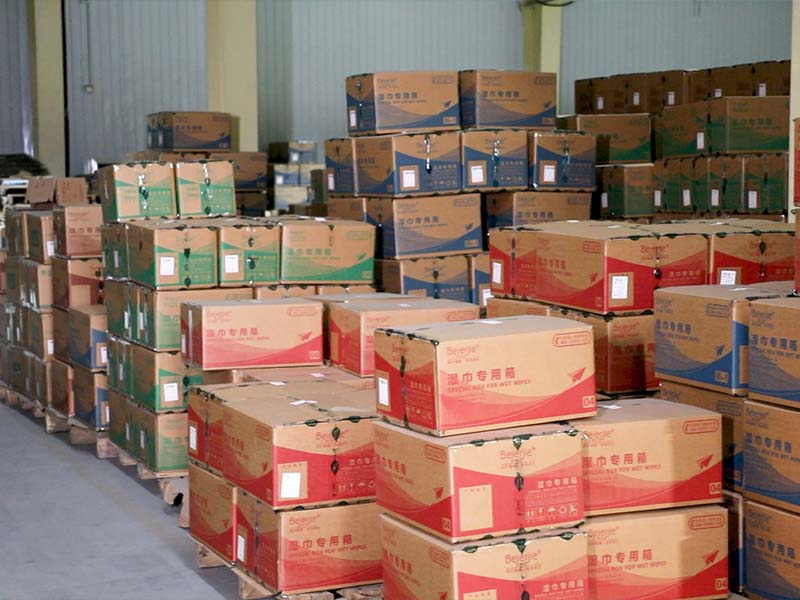
Even well-made packaging needs reasonable storage. To prevent wet wipes from drying out, avoid unnecessary heat, long direct sunlight exposure, damaged cartons, and rough handling that can stress the pack seals.
Export projects should consider container loading, warehouse time, and destination climate. A product going to a hot market or long logistics route may need a stronger packaging review than a short domestic shipment.
Quality Tests to Request
To prevent wet wipes from drying out before launch, ask the supplier how samples are checked for pack sealing, leakage, weight consistency, moisture feel, and appearance after storage. The exact test plan depends on product type and buyer requirements.
For disinfectant wipes, always review label directions and intended surface use. The EPA disinfectant guidance explains that directions for use are important for disinfectant products. For personal care wipes, review the product category, ingredients, and destination market requirements separately.
FAQs
What is the best way to prevent wet wipes from drying out?
The best way to prevent wet wipes from drying out is to combine suitable film, strong seals, reliable lids or labels, correct liquid ratio, and proper storage.
Can a better lid solve dry wipes?
A better lid can help, but it may not solve every problem. To prevent wet wipes from drying out, check the film, seal, formula, and storage conditions too.
Does fabric thickness affect moisture?
Yes. Fabric GSM and sheet size influence how much liquid a wipe can hold. Matching fabric and liquid ratio helps prevent wet wipes from drying out.
Should I test samples after storage?
Yes. Samples should be checked after storage because fresh samples may feel different from packs that have been shipped, stored, or repeatedly opened.
Can Beierjie help with moisture control?
Yes. Beierjie can discuss packaging film, sealing, lid options, formula loading, and sample checks to help prevent wet wipes from drying out in OEM projects.
Improve Wet Wipes Packaging with Beierjie
If your private label wet wipes need better moisture retention, Beierjie can help review pack format, closure options, liquid ratio, and sample performance. Contact us to discuss how to prevent wet wipes from drying out before mass production.