Table of Contents
Baby wipes are not just another consumer product — they are a category where safety, quality, and trust are non-negotiable. Parents, caregivers, and healthcare professionals rely on baby wipes for the most sensitive skin on earth. A single quality failure can lead to recalls, brand destruction, and legal liability.
For B2B brands entering this market through private label manufacturing, the stakes are higher than in most wet wipes categories. The formulation must be gentle enough for newborn skin. The substrate must be soft yet durable. The packaging must maintain freshness over a 24-36 month shelf life. And every claim — “hypoallergenic,” “dermatologist tested,” “fragrance-free” — must be backed by real science and testing.
This guide covers everything a private label brand needs to know about baby wipes manufacturing, from formulation chemistry and substrate science to safety standards, regulatory compliance, and selecting the right OEM partner. Based on manufacturing insights from Huairen City Senda Medical Equipment Co., Ltd., a facility producing baby cleansing wipes for brands in over 40 countries since 2007.
Key Takeaways
• Baby wipes require pharmaceutical-grade quality control, not standard wet wipes manufacturing
• Formulation must be designed for pH 5.5-6.5, matching infant skin’s acid mantle
• Substrate selection affects softness, strength, and environmental impact
• Regulatory requirements vary significantly by market — EU, US, and GCC each have distinct standards
• The fastest-growing segment is eco-friendly baby wipes using biodegradable materials
The Baby Wipes Market: Why It Demands Excellence
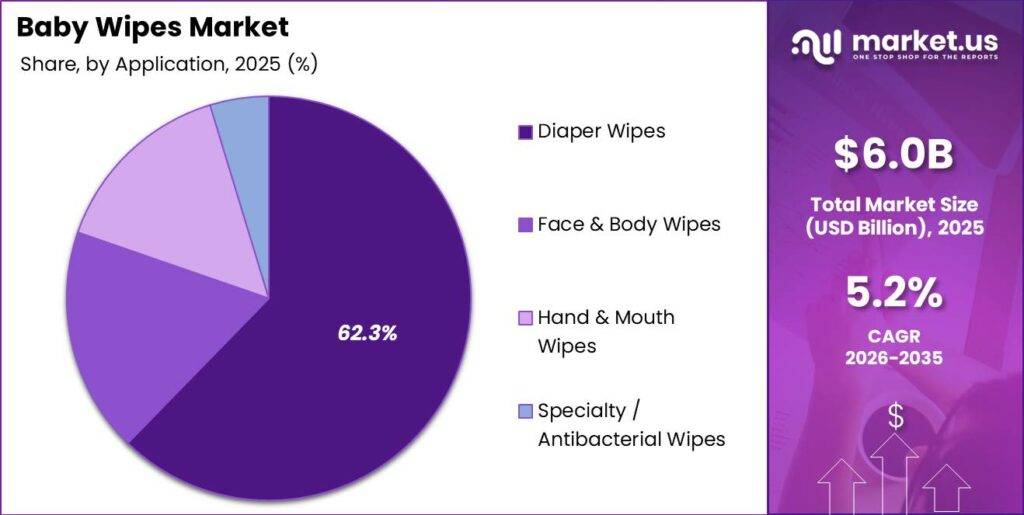
The global baby wipes market was valued at approximately $12.3 billion in 2025 and is projected to grow at a CAGR of 5.8% through 2032. Several factors drive this growth:
- Rising awareness of infant hygiene: Parents are increasingly informed about the importance of gentle, effective cleaning products for babies
- Premiumization trend: Consumers are willing to pay more for organic, natural, and dermatologically tested baby wipes
- Eco-conscious parenting: Demand for biodegradable, plastic-free, and sustainable baby wipes is accelerating
- Healthcare applications: Baby wipes are widely used in adult care, wound care, and clinical settings — expanding the total addressable market
For private label brands, baby wipes represent one of the highest-margin wet wipes categories. But they also demand the highest level of manufacturing expertise. Unlike household cleaning wipes, where formulation errors might affect surface quality, baby wipes formulation errors can cause skin irritation, allergic reactions, or infection in infants.
This is why choosing a manufacturer with proven baby wipes experience — not just general wet wipes capability — is essential.
Baby Wipes Formulation: The Science Behind Safe, Effective Wipes
The formulation (also called “lotion” in manufacturing terms) is the most critical element of any baby wipe. It determines the product’s safety, efficacy, feel, and shelf stability.
Key Formulation Components
| Component | Function | Common Ingredients |
|---|---|---|
| Water (Aqua) | Base solvent, typically 90-98% of formulation | Purified/deionized water, water purified by reverse osmosis |
| Surfactants | Gentle cleansing agents that lift dirt and oils | Cocamidopropyl betaine, decyl glucoside, PEG-40 hydrogenated castor oil |
| Emollients | Moisturize and protect skin barrier | Glycerin, aloe barbadensis leaf juice, tocopheryl acetate (Vitamin E) |
| Humectants | Retain moisture in skin and in the wipe itself | Propylene glycol, glycerin, sorbitol |
| Preservatives | Prevent microbial growth over shelf life | Phenoxyethanol, sodium benzoate, potassium sorbate, benzyl alcohol |
| pH adjusters | Maintain skin-compatible pH level | Citric acid, sodium hydroxide (to adjust) |
| Botanical extracts | Soothing, anti-inflammatory benefits | Chamomilla recutita, calendula officinalis, calendula extract |
Critical Formulation Parameters
pH Level: Baby skin has a slightly acidic pH of approximately 5.5, compared to adult skin at 5.5-6.0. Baby wipe formulations must be adjusted to pH 5.5-6.5 to support the skin’s natural acid mantle. A pH that is too high (alkaline) can disrupt the skin barrier and increase susceptibility to irritation and infection.
Osmolality: Increasingly recognized as important for skin health. Formulations with osmolality close to that of bodily fluids (approximately 300 mOsm/kg) are less likely to cause cellular dehydration and irritation.
Liquid-to-dry ratio: Typically 3:1 to 5:1 (liquid weight to dry substrate weight). Higher ratios produce wetter wipes but may affect packaging integrity and user perception.
Ingredients to Avoid in Baby Wipes
The following ingredients are increasingly avoided in baby wipes formulations due to safety concerns or consumer demand:
• Parabens (methylparaben, propylparaben) — endocrine disruption concerns
• MIT/MCIT (methylisothiazolinone) — high allergenicity, banned in leave-on products in EU
• Alcohol (ethanol/isopropanol) — drying and irritating to infant skin
• Formaldehyde releasers (DMDM hydantoin, quaternium-15) — carcinogen concerns
• Synthetic fragrances — leading cause of contact dermatitis in infants
The “Free-From” Trend
The most successful baby wipes brands in 2026 position their products around what they do not contain. Common marketing claims include:
- Fragrance-free
- Alcohol-free
- Paraben-free
- Phenoxyethanol-free
- Chlorine-free processing
- Dermatologist tested
- Hypoallergenic
- pH balanced
Each of these claims must be substantiated. “Hypoallergenic” requires clinical patch testing. “Dermatologist tested” requires documented testing by a qualified professional. A competent OEM manufacturer will help you understand which claims are supportable and which require additional testing investment.
Substrate Selection: Choosing the Right Material for Baby Skin
The nonwoven fabric substrate is what the consumer actually touches against baby skin. Its texture, softness, strength, and composition directly affect product performance and consumer perception.
Common Substrate Options for Baby Wipes
| Material | Softness | Strength | Cost | Best Application |
|---|---|---|---|---|
| Polyester/viscose spunlace | Good | High | Low-Medium | Standard baby wipes, value segment |
| 100% viscose spunlace | Very Good | Medium | Medium | Premium baby wipes, softer feel |
| Airlaid + spunlace composite | Excellent | High | High | Ultra-premium, newborn, sensitive skin |
| Bamboo fiber nonwoven | Very Good | Medium | Medium-High | Eco-positioned, natural/organic brands |
| Organic cotton blend | Excellent | Medium | High | Premium organic brands, GOTS-certified products |
What Determines Substrate Quality?
- Basis weight (gsm): Heavier substrates (50-70 gsm) feel more substantial and premium than lighter ones (35-45 gsm)
- Fiber composition: Viscose fibers are softer than polyester but less strong; blending ratios affect hand-feel and cost
- Bonding method: Spunlace (hydroentanglement) creates the softest hand-feel without chemical binders
- Embossing pattern: Affects texture, liquid retention, and cleaning effectiveness
- Edge finish: Clean-cut edges prevent fraying and improve user experience
Manufacturer Insight
The substrate and formulation must be tested together, not separately. A formulation that works perfectly with one substrate may interact differently with another — affecting liquid retention, dispensing performance, and even microbial stability. Always evaluate complete product samples, not just individual components.
Safety Standards and Testing Requirements
Baby wipes safety testing is significantly more rigorous than for most other wet wipes categories. Here is what a comprehensive testing program includes:
Mandatory Microbiological Testing
| Test | Acceptance Criteria | Frequency |
|---|---|---|
| Total Aerobic Microbial Count | < 100 CFU/g (some standards: < 10 CFU/g) | Every batch |
| Yeast and Mold Count | < 10 CFU/g | Every batch |
| Escherichia coli | Absent in 1g | Every batch |
| Staphylococcus aureus | Absent in 1g | Every batch |
| Pseudomonas aeruginosa | Absent in 1g | Every batch |
| Candida albicans | Absent in 1g | Every batch |
Safety and Compatibility Testing
- Repeat Insult Patch Test (RIPT/HRIPT): Evaluates potential for skin irritation and sensitization. Conducted on 50-100+ human volunteers over 3-week period. Essential for “hypoallergenic” claims.
- In-use testing: Monitored use by target demographic (parents with infants) under controlled conditions
- Preservative efficacy challenge test (PET): Confirms the preservation system can prevent microbial contamination throughout the product’s shelf life
- Stability testing: Accelerated aging at elevated temperatures to validate shelf life (typically 2-3 years)
- Compatibility testing: Ensures the formulation does not interact adversely with packaging materials
- Ophthalmological safety: Eye irritation testing — critical since babies frequently put hands near eyes after wiping
Regulatory Compliance by Market
Baby wipes are regulated differently depending on the target market and the claims made. Understanding these requirements before product development begins saves significant time and cost.
European Union
In the EU, baby wipes are classified as cosmetic products under Regulation (EC) No 1223/2009. Requirements include:
- CPSR (Cosmetic Product Safety Report) prepared by a qualified safety assessor
- PIF (Product Information File) maintained for 10 years after last batch
- CPNP (Cosmetic Products Notification Portal) notification before market entry
- Responsible Person designated within the EU
- Full INCI ingredient listing on packaging
- PAO (Period After Opening) symbol or expiry date
United States
In the US, baby wipes may be regulated as cosmetics, drugs, or both — depending on claims:
- Cosmetic claims (“cleans,” “moisturizes”) → FDA cosmetic regulations
- Drug claims (“prevents diaper rash,” “antibacterial”) → FDA OTC drug monograph compliance
- Facility registration with FDA required
- Product listing required
- MoCRA (Modernization of Cosmetics Regulation Act) compliance as of 2024
GCC Markets (Saudi Arabia, UAE, etc.)
GCC countries require:
- GSO (Gulf Standardization Organization) conformity assessment
- Arabic language on primary packaging
- SFDA registration for Saudi Arabia (Saudi Food and Drug Authority)
- Emirates Quality Mark (EQM) for UAE
Compliance Tip
Work with your OEM partner’s regulatory team from day one. Many manufacturers — like Beierjie — have dedicated compliance specialists who track regulatory changes across major markets and can advise on formulation and labeling requirements before you invest in production.
Packaging Considerations for Baby Wipes
Baby wipes packaging serves three critical functions: maintaining moisture and sterility, providing convenience for caregivers, and communicating brand positioning on shelf.
Most Popular Formats
- Resealable soft pack (flip-top): The dominant format for baby wipes. Offers one-handed dispensing (essential when holding a baby), good moisture retention, and strong shelf presence.
- Hard tub/container: Premium positioning, excellent moisture protection, refillable. Higher per-unit cost but perceived as higher quality.
- Travel/portable packs: Smaller count (10-20 wipes), flow-pack format. Ideal for impulse purchase and diaper bag carry.
- Refill pouches: Eco-positioned, lower plastic usage. Designed to refill hard tubs.
Packaging Material Trends
The baby wipes packaging industry is rapidly evolving toward sustainability:
- PE-free lids: Traditional flip-top lids use polyethylene; new bio-based and PP alternatives are emerging
- Recyclable film: Mono-material PE films that can be recycled in store drop-off programs
- Plastic-free packaging: Paper-based wraps with moisture barrier coatings for eco-positioned brands
- Reduced plastic: Thinner films, concentrated refill formats, and plant-derived plastic components
For a detailed comparison of packaging types and selection criteria, read: Wet Wipes Packaging Types: How to Choose for a Private Label Product.
Baby Wipes Industry Trends for 2026
1. Clean Formulation Movement
Consumers are scrutinizing ingredient lists more than ever. Brands that can clearly communicate “what is in” and “what is not in” their baby wipes are winning trust and market share. Minimal ingredient lists (under 10 ingredients) are becoming a competitive advantage.
2. Biodegradable and Plastic-Free Products
The fastest-growing segment in baby wipes is products made from 100% biodegradable materials — including both the substrate and the packaging. Bamboo fiber wipes, wood pulp-based nonwovens, and plant-derived plastics are moving from niche to mainstream.
3. Premiumization and Specialization
Baby wipes are no longer a one-size-fits-all category. Brands are launching specialized products for specific needs: newborn-specific wipes, organic-certified wipes, wipes with probiotics for skin microbiome support, and sensitive-skin formulations with clinical testing.
4. Multi-Channel Distribution
The rise of DTC (direct-to-consumer) brands, subscription models, and social commerce is changing how baby wipes reach consumers. Private label brands can now compete with established players by leveraging digital marketing and niche positioning.
5. Cross-Category Expansion
Baby wipes technology is being applied to adjacent categories — toddler wipes, adult sensitive skin wipes, pet wipes, and facial cleansing wipes. Brands that master baby wipes manufacturing have a natural platform for portfolio expansion.
How to Choose a Baby Wipes OEM Manufacturer
Not all wet wipes manufacturers are equipped for baby wipes production. The specific requirements for formulation precision, microbial control, safety testing, and regulatory compliance create a higher bar.
When evaluating potential partners, prioritize these capabilities:
- Dedicated baby wipes production lines — separate from household or industrial wipes, to prevent cross-contamination
- In-house formulation lab — with experience developing baby-specific formulations
- Microbiology lab — capable of performing all required microbial testing on-site
- Regulatory expertise — knowledge of EU, US, and other target market requirements for baby products
- Testing partnerships — relationships with accredited labs for HRIPT, stability, and specialized testing
- Certifications — ISO 9001, ISO 14001, GMPC at minimum; FDA registration for US market
- Track record — proven experience producing baby wipes for established brands
For a complete evaluation framework with specific criteria, red flags, and a due diligence checklist, see: How to Choose a Reliable Wet Wipes OEM Manufacturer.
Why Beierjie for Baby Wipes
Beierjie has manufactured baby cleansing wipes for brands across 40+ countries since 2007. Our ISO-certified facility features dedicated baby wipes production lines, an in-house microbiology lab, and a regulatory compliance team that monitors requirements across EU, US, GCC, and ASEAN markets. We support complete private label services — from custom formulation to compliant packaging design.
Building a Trusted Baby Wipes Brand
Success in the baby wipes market is built on trust. Parents will only buy products they believe are safe for their children. And trust is earned through consistent quality, transparent ingredient lists, validated safety claims, and reliable manufacturing processes.
As a private label brand, your OEM manufacturing partner is the foundation of that trust. Choose wisely, invest in proper testing and compliance, and never cut corners on formulation quality or microbial safety.
The baby wipes market rewards brands that prioritize quality over cost — and punishes those that do not. Build it right from the start, and you will have a product that parents trust, recommend, and repurchase.
Start Your Baby Wipes OEM Project with Beierjie
17 years of baby wipes manufacturing expertise. ISO-certified. Exporting to 40+ countries. Custom formulation, private label packaging, and full regulatory compliance support.