Table of Contents
- Why Facial Tissues Are a Strong B2B Product Category
- Start with Tissue Ply, Softness, and Strength
- OEM Specifications Buyers Should Confirm
- Packaging Options for Private Label Facial Tissues
- Quality Control Before Bulk Orders
- Sample Testing Checklist
- How to Compare Suppliers Beyond Cost
- Final Thoughts
Choosing a reliable facial tissues manufacturer is a practical step for brands that want a stable paper product line with repeatable quality. Facial tissues are simple at first glance, but buyers quickly discover that softness, ply structure, sheet count, pull-out performance, box design, carton strength, and reorder consistency all affect customer satisfaction.
This guide explains how to evaluate a facial tissues manufacturer for OEM and private label projects. It also shows what a facial tissues manufacturer should clarify before sample approval. It is written for retail buyers, hospitality suppliers, office product distributors, hygiene product brands, and wholesalers who need clear specifications before requesting samples or approving bulk production.
Why Facial Tissues Are a Strong B2B Product Category
Facial tissues fit many sales channels because they are used in homes, offices, hotels, clinics, schools, restaurants, and travel settings. For private label brands, the category can support steady repeat orders when the product feels soft, dispenses cleanly, and arrives in packaging that matches the target market.
A professional facial tissues manufacturer should understand these channel differences, and the facial tissues manufacturer should be able to recommend suitable specifications for each channel. A hotel amenity supplier may care about compact box size and clean presentation, while an office distributor may focus on sheet count, carton packing, and consistent supply. A retail brand may need stronger shelf appeal, barcode placement, and a box design that communicates comfort without making unsupported claims.
Start with Tissue Ply, Softness, and Strength
Most facial tissues are produced from paper fibers such as wood pulp, and buyers usually compare 2-ply, 3-ply, or 4-ply options. Ply affects thickness, softness, wet strength, and perceived value. Buyers who want a basic overview of the category can review the general concept of tissue paper, but commercial sourcing requires more detailed sample checks.
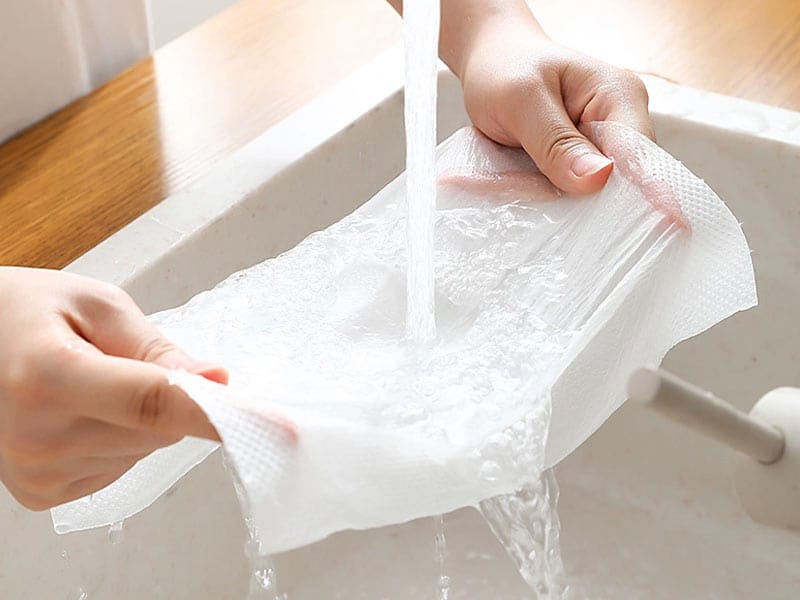
When comparing samples from a facial tissues manufacturer, do not judge only by the first touch. Pull several sheets from the box, wipe with dry and slightly damp hands, check whether the sheet tears too easily, and look for visible lint. A facial tissue that feels soft but leaves residue may not satisfy users in office, hotel, or beauty-care environments.
OEM Specifications Buyers Should Confirm
| Specification | Why it matters | What buyers should confirm |
|---|---|---|
| Ply structure | Controls thickness, softness, and perceived quality | 2-ply, 3-ply, or 4-ply options |
| Sheet count | Affects usage cycle and product positioning | Standard counts and custom counts |
| Sheet size | Changes comfort and cost structure | Exact open sheet dimensions |
| Fiber material | Influences softness and strength | Wood pulp or custom material options |
| Box format | Affects shelf display and dispensing | Pull-out box size, opening, and film design |
A dependable facial tissues manufacturer should provide a specification sheet that matches the sample. If the facial tissues manufacturer cannot match the written specification to the delivered sample, repeat-order control becomes difficult. Buyers should confirm ply, sheet size, sheet count, box dimensions, tissue color, embossing, carton quantity, and carton weight before artwork approval. This reduces misunderstandings when the order moves from sample stage to bulk production.
Packaging Options for Private Label Facial Tissues
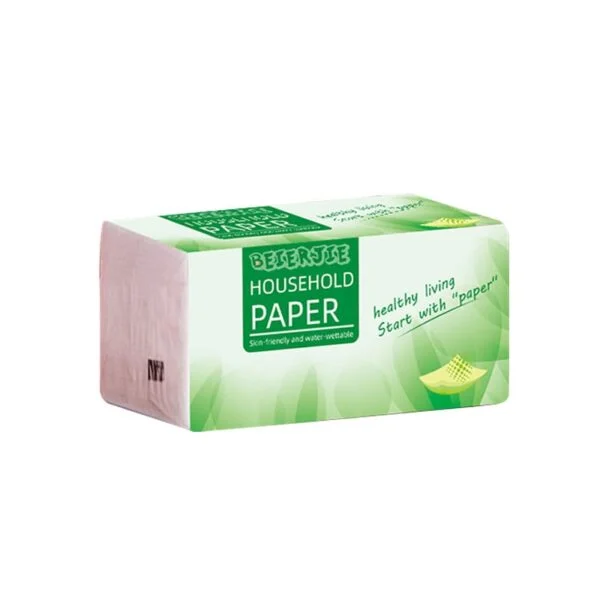
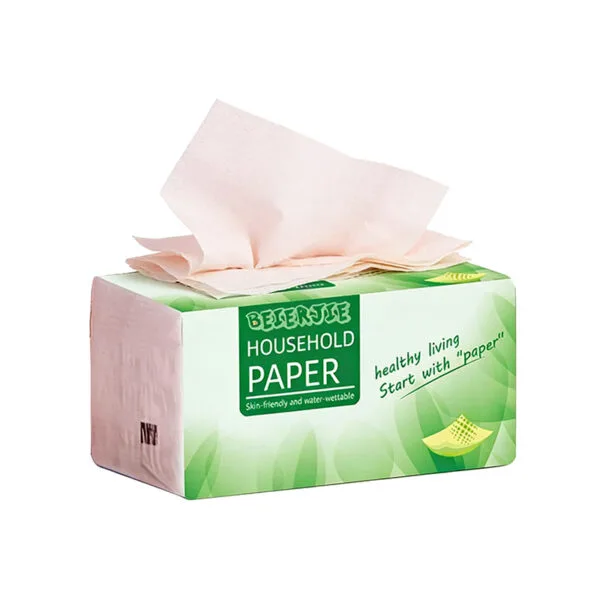
Packaging is often where private label projects succeed or fail. A facial tissues manufacturer may support standard facial tissue boxes, compact boxes, cube boxes, soft packs, or customized pull-out formats. The facial tissues manufacturer should also explain which package structure works best for the buyer’s sales channel. The right format depends on how the product will be sold and where it will be used.
For retail, the package needs enough visual impact to stand on a shelf or product page, and the facial tissues manufacturer should understand how package size affects shipping and display. For hotels, offices, and institutional supply, the package should look clean and be easy to place in rooms, washrooms, desks, or reception areas. Buyers should confirm printable areas, coating or finish options, barcode placement, carton marks, and language requirements before finalizing artwork.
If responsible sourcing is part of your brand direction, discuss material documentation with the supplier instead of adding broad claims to the package. Organizations such as FSC publish information about chain-of-custody certification, but any claim on a finished product should be supported by the correct documentation for that order.
Quality Control Before Bulk Orders
Quality control should be discussed before the purchase order, not after a shipment problem appears. A careful facial tissues manufacturer should check incoming paper material, ply bonding, cutting accuracy, folding, sheet count, box assembly, pull-out performance, carton packing, and final appearance.
Buyers should also ask how the supplier manages moisture exposure during storage and transport. A facial tissues manufacturer with export packing experience should understand how cartons behave during warehouse handling and long-distance delivery. Facial tissues are dry paper products, so cartons should protect against crushing, deformation, and humidity. Export packaging is especially important when goods move through long-distance logistics or mixed warehouse conditions.
Sample Testing Checklist
- Pull several sheets one by one to check dispensing smoothness.
- Rub the sheet against dark fabric or skin to check lint level.
- Fold and unfold the tissue to see whether it separates or tears.
- Compare the box size and sheet count with the written specification.
- Check whether the printed box color matches the approved artwork direction.
- Ask the facial tissues manufacturer how the same quality will be checked in bulk production.
How to Compare Suppliers Beyond Cost
Cost matters, but the lowest quote is not always the best purchasing decision. A lower price may come from lighter paper, smaller sheets, fewer tissues, weaker packaging, or a carton structure that is not ideal for shipping. A good facial tissues manufacturer should help buyers compare cost with product experience and channel requirements.
Communication is another important filter. The facial tissues manufacturer should answer technical questions clearly, provide realistic sample timing, explain which packaging changes affect production, and keep specifications consistent across repeat orders. This is especially important for distributors and private label brands that plan to build a long-term paper product line.
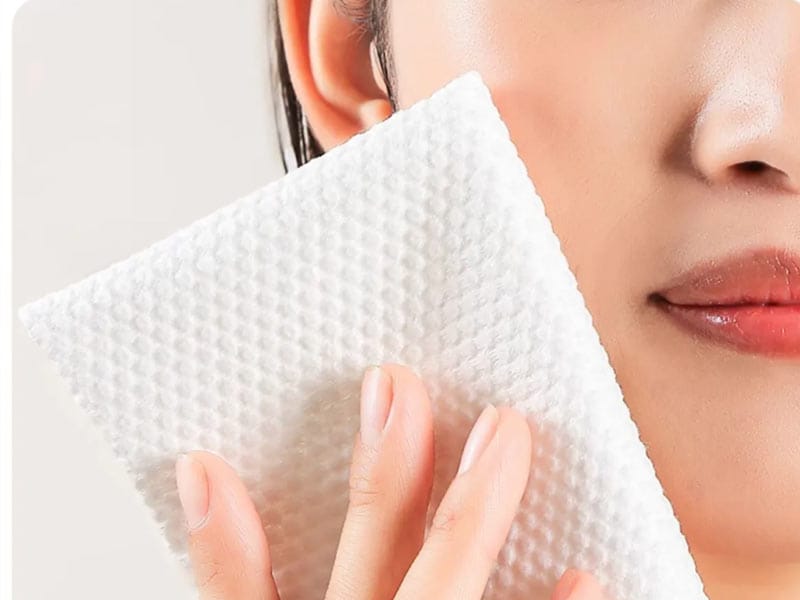
Buyers can also compare whether the supplier supports related products such as toilet paper, disposable face towels, and wet wipes. Working with a broader hygiene product supplier or facial tissues manufacturer may simplify sourcing when a brand wants to expand from facial tissues into a wider household paper or personal care range.
Final Thoughts
The right facial tissues manufacturer should help you balance softness, ply structure, sheet count, packaging quality, carton protection, and reorder stability. Instead of choosing only by photo or price, request clear samples, test daily-use performance, confirm packaging details, and review quality-control steps before placing a bulk order.
To discuss OEM facial tissue options, packaging formats, or sample requirements, visit our contact page or review our facial tissues product page for available customization directions.