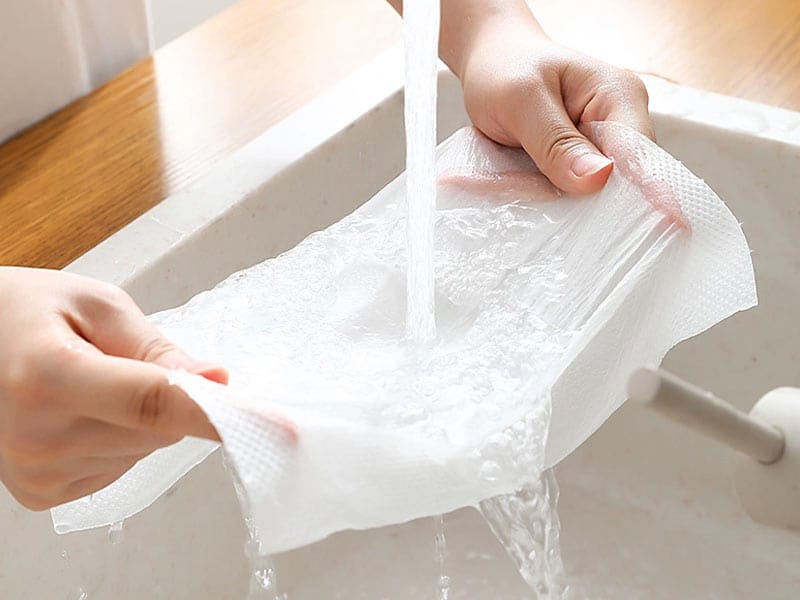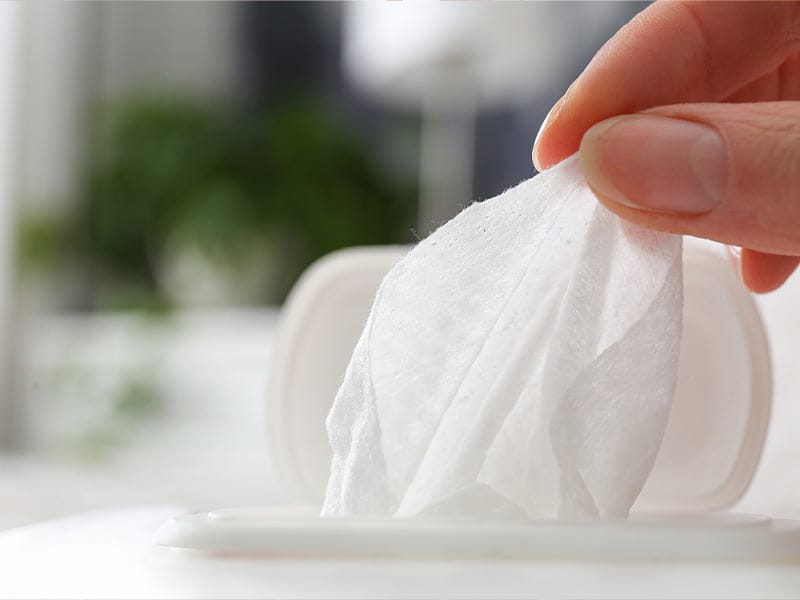
Some British retailers are pledging to ban the sale of wet wipes containing plastic in an effort to reduce non-biodegradable waste and address what they believe is wastewater problems caused by improper rinsing, a move that wet wipe industry stakeholders fear could backfire. These associations argue that wet wipe manufacturers and retailers should focus on proper labeling and enhanced consumer education to address issues related to wet wipes.
Upgraded Medical Standards and Increased Health Awareness Drive Market Expansion
In recent years, with the continuous improvement of the healthcare system and a significant increase in public health awareness, the market demand for medical wipes, as an important consumable in the medical and nursing fields, has shown a steady growth trend. Whether in professional medical settings such as hospitals and clinics, or in extended applications such as home care and public health protection, the frequency and coverage of medical wipes usage are continuously expanding, gradually becoming an indispensable part of the healthcare system.
Standardization of Medical Institutions Drives Growth in Basic Demand
At the medical institution level, the continuous improvement of infection control standards is one of the important factors driving the growth in demand for medical wipes. Hospitals, community health service centers, and elderly care institutions have increasingly stringent requirements for standardized cleaning and disinfection procedures. Compared with traditional cleaning methods, medical wipes have advantages such as being ready to use, convenient operation, and stable ingredients, effectively improving cleaning efficiency and reducing the risk of cross-infection. Therefore, they are widely used in various stages such as medical device surface disinfection, patient skin cleaning, and pre- and post-operative care.
At the same time, the continuous improvement of the primary healthcare system has also driven the continued consumption of medical wipes. With the advancement of the tiered medical system, the number and service capacity of primary healthcare institutions are continuously improving, leading to a surge in demand for safe and standardized medical consumables, thus providing a stable growth foundation for the medical wipes market.
Raising Public Health Awareness Expands Application Scenarios
Beyond medical institutions, the increasing public awareness of health is also broadening the application boundaries of medical wipes. In recent years, the concept of personal hygiene protection has gradually gained popularity, and more and more families are choosing medical-grade wipes for daily care, such as wound cleaning, post-operative care, and care for infants and the elderly.
In public places, schools, transportation hubs, and other areas, medical wipes are also considered an important auxiliary product for improving hygiene and safety. Some enterprises, institutions, and public organizations have begun to include medical wipes in their daily protection and emergency supplies reserves, further driving market demand.
Product Upgrades Drive Market Structure Optimization
Along with the growth in demand, medical wipes products themselves are also constantly being upgraded. The current market demands significantly higher levels of product safety, ingredient transparency, and user comfort. Low-irritant, alcohol-free, fragrance-free, and hypoallergenic formulas, as well as non-woven materials that meet medical standards, are gradually becoming the mainstream choices. Meanwhile, niche products targeting different usage scenarios are constantly emerging, such as preoperative disinfection wipes, skin care wipes, and instrument cleaning wipes, driving the market from single-product development to diversification and specialization. This structural upgrade not only increases the overall added value of medical wipes but also enhances the industry’s sustainable development capabilities.
Improved Policies and Standards Boost Market Confidence
At the policy level, local governments are continuously strengthening the supervision of the quality and safety of medical consumables, and related product standards are constantly being refined and improved. Clear production specifications and quality requirements help regulate market order, improve the overall level of the industry, and provide institutional guarantees for the long-term development of the medical wipes market.
Industry insiders point out that as the standard system gradually matures, companies with compliant production and stable quality will have a greater competitive advantage, and market concentration is expected to further increase. This trend will drive the medical wipes industry to shift from “scale expansion” to “high-quality development.”
Future Outlook: Steady Growth and Rational Development in Parallel
Overall, the growth in demand for medical wipes is long-term and stable. On the one hand, the continuous improvement of the healthcare system and the deepening trend of population aging will provide a sustained basic demand for medical wipes. On the other hand, consumers’ increasing emphasis on health and safety products will also drive their further popularization in home care and public health fields.
Industry insiders generally believe that the future development focus of the medical wipes industry will be on improving product safety, using more environmentally friendly materials, and refining usage scenarios. Meeting market demand while promoting technological innovation and standardized development will be key to the industry’s sustainable growth.