Table of Contents
- Why This Product Category Matters
- Start with Materials and Skin or Surface Fit
- OEM Specifications Buyers Should Confirm
- Packaging Choices for Private Label Projects
- Quality Control Before Bulk Production
- Sample Testing Checklist
- How to Compare Suppliers More Carefully
- Final Thoughts
Choosing a reliable flushable wipes manufacturer is a practical decision for brands that want stable quality, clear communication, and a product line that can be reordered without constant changes. Buyers often compare towel feel, wipe moisture, fabric strength, package appearance, and carton packing, but the best decision starts with understanding how the product will be used by the end customer.
This guide explains how to evaluate a flushable wipes manufacturer for OEM and private label projects. It is written for distributors, hygiene brands, beauty and personal care companies, hospitality suppliers, and retailers who need useful questions before requesting samples or approving bulk production.
Why This Product Category Matters
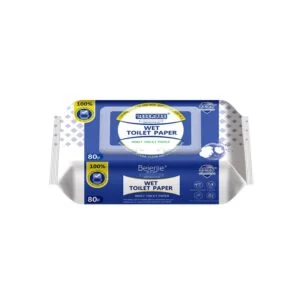
Flushable Wipes can support a very specific customer need: convenient personal cleansing at home, during travel, and in daily hygiene routines. That means a flushable wipes manufacturer should not only provide a catalog item, but also help the buyer match materials, pack style, label wording, and carton setup to the actual sales channel.
For B2B buyers, the value of a flushable wipes manufacturer is consistency. A sample may look acceptable, but repeat orders require the same hand feel, sheet count, sealing quality, and visual presentation. This is especially important when products are sold under a private label, because the end customer connects every detail with the brand.
Start with Materials and Skin or Surface Fit
Most wipe and disposable towel products depend on nonwoven materials. Buyers who are new to the category can review the basic concept of nonwoven fabric to understand why fiber blend, bonding method, and surface texture change the user experience.
When comparing samples from a flushable wipes manufacturer, check more than softness. Look at lint, wet strength, sheet thickness, odor, stretch, and how the product performs after wiping. For flushable wipes, the material should support soft wiping, controlled moisture, and responsible product positioning without unsupported flushability claims. A supplier that can explain these tradeoffs is easier to work with than one that only says the product is high quality.
OEM Specifications Buyers Should Confirm
| Buyer question | Why it matters | What to confirm |
|---|---|---|
| Dispersibility claim | Flushable language must be handled carefully | Target market rules and test expectations |
| Fabric blend | Changes softness and break-up behavior | Available nonwoven options |
| Sheet size | Affects comfort and pack count | Standard and custom dimensions |
| Moisture level | Controls use feel and storage stability | Formula and wetness range |
| Pack seal | Helps reduce drying during use | Lid, label, and pouch options |
A professional flushable wipes manufacturer should make these details easy to compare. Ask for sample options that show different fabric weights, sheet sizes, and packaging formats. If a buyer is developing a new item, the flushable wipes manufacturer should help narrow choices instead of pushing every option at once.
Packaging Choices for Private Label Projects
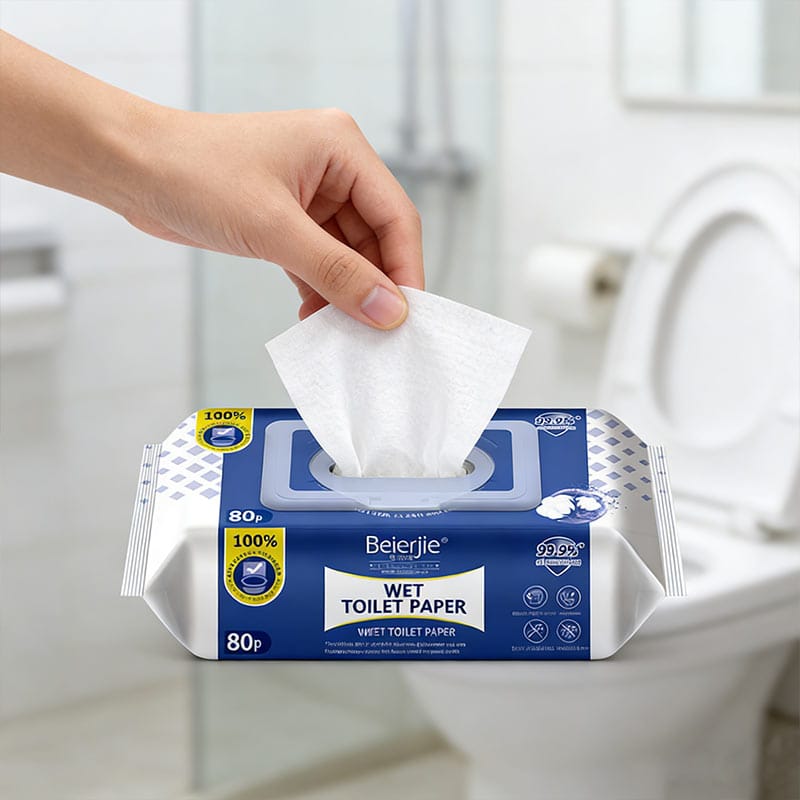
Private label packaging affects first impressions and repeat use. A flushable wipes manufacturer may offer pouch packs, canisters, boxes, roll formats, hanging packs, or individually wrapped samples depending on the product. The right choice depends on whether the item is sold online, placed in hotels, used by salons, supplied to institutions, or distributed through retail channels.
Artwork support is also important. Confirm printable areas, label material, sealing method, carton marks, barcode placement, and language requirements before mass production. For personal care products, buyers should review applicable labeling expectations with their own compliance team. The U.S. FDA publishes a public cosmetics labeling guide that can help brands think through labeling basics where relevant.
Quality Control Before Bulk Production
Before ordering from a flushable wipes manufacturer, buyers should ask how the factory checks incoming materials, production setup, sheet count, filling or folding accuracy, package sealing, and carton strength. These controls reduce common problems such as uneven sheets, weak seals, dry wipes, excessive lint, and damaged outer cartons.
If the product is used for cleaning or hygiene-sensitive settings, the flushable wipes manufacturer should also be clear about intended use. Surface cleaning products, for example, should not be described as disinfectants unless the formula, label, and market rules support that claim. Buyers can review public guidance such as the EPA page on selecting and using disinfectants when evaluating surface-care language.
Sample Testing Checklist
- Open the package several times and check whether dispensing stays smooth.
- Use the product in the intended scenario and note whether the sheet size feels practical.
- Check wet strength after wiping, folding, or rubbing.
- Look for lint, residue, unusual odor, and edge tearing.
- Compare the sample against the requested specification sheet.
- Ask the flushable wipes manufacturer how the same quality will be controlled in bulk production.
How to Compare Suppliers More Carefully
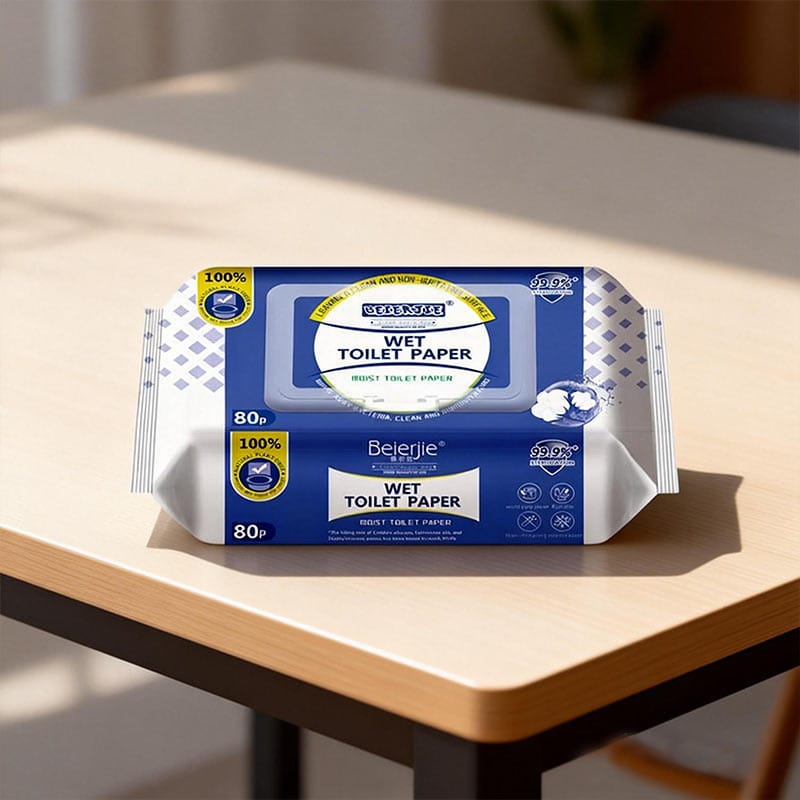
It is tempting to choose the lowest quote, but a low quote may come from lighter fabric, fewer sheets, cheaper film, weaker cartons, or limited quality control. A dependable flushable wipes manufacturer should help buyers compare cost against user experience, packaging quality, and reorder stability.
Communication matters as much as production capacity. The flushable wipes manufacturer should answer technical questions clearly, provide realistic sampling steps, and explain which changes affect lead time or minimum order planning. Buyers should also ask whether the factory can support related products if the brand later expands into wipes, paper products, or adult care items.
When a buyer shortlists a flushable wipes manufacturer, it is useful to compare the supplier’s sample process, packaging guidance, and response speed before discussing bulk production. A flushable wipes manufacturer that understands private label expectations can reduce avoidable revisions during artwork approval and sample testing.
Final Thoughts
The right flushable wipes manufacturer helps turn a product idea into a stable private label item. Start with the end user, confirm material and packaging details, test samples carefully, and ask direct quality-control questions before approval. This approach helps brands avoid vague specifications and build products that customers are more likely to reorder.
To discuss OEM options for flushable wipes, visit our contact page and share your target market, preferred packaging format, and sample requirements.