Table of Contents
Choosing kitchen degreasing wipes is not simply a matter of picking the strongest cleaner on the shelf. For brands, distributors, hospitality operators, and cleaning program managers, the better question is whether the wipe can remove oily residue quickly while fitting the surface, packaging, safety language, and repeat-use environment. A wipe that works well on a stovetop may not be right for stainless food-prep areas, high-frequency housekeeping carts, or a private label line that needs a specific fabric feel.
This guide explains how to evaluate kitchen degreasing wipes before you request samples or confirm a specification. The goal is practical: help you compare materials, formula direction, pack formats, and supplier questions without relying on vague claims.
What Kitchen Degreasing Wipes Are Designed to Do
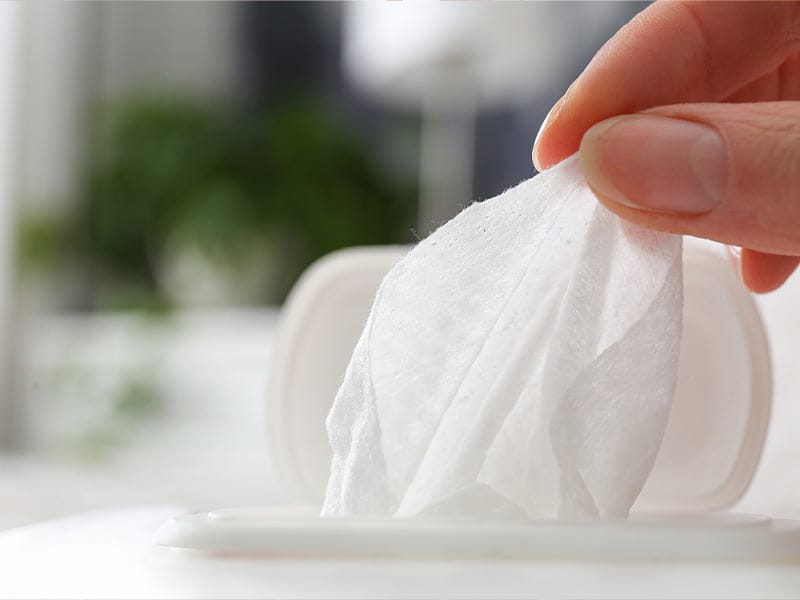
Kitchen degreasing wipes are pre-moistened cleaning wipes made to loosen and lift oil, sauce residue, cooking splatter, fingerprints, and everyday grime from washable kitchen surfaces. They are different from general wet wipes because the liquid system is usually built around grease-cutting performance, controlled wetness, and enough fabric strength to handle rubbing without tearing too easily.
They are also different from disinfectant wipes. A degreasing wipe focuses on soil removal. A disinfectant wipe must follow specific regulatory rules and contact-time instructions. The U.S. Centers for Disease Control and Prevention explains the practical distinction between cleaning and disinfecting, which is useful when deciding what claims belong on packaging and instructions.
Start With the Cleaning Environment
Before comparing kitchen degreasing wipes, define where they will be used. Home users may want convenience, a pleasant hand feel, and packaging that stays sealed between uses. Food-service teams often care more about fast access, consistent wipe size, and a formula that fits their internal cleaning procedures. Distributors may need a balanced product that can serve several channels without overpromising.
List the target surfaces first: range hoods, counters, ceramic tiles, appliance exteriors, sealed stone, stainless steel, glass, plastic bins, or dining-area touchpoints. Then list the soils: light oil, sticky sauce, carbonized splatter, dust mixed with grease, or routine fingerprints. This simple map keeps the discussion grounded when you compare kitchen degreasing wipes from different suppliers.
Fabric Matters More Than Many Buyers Expect
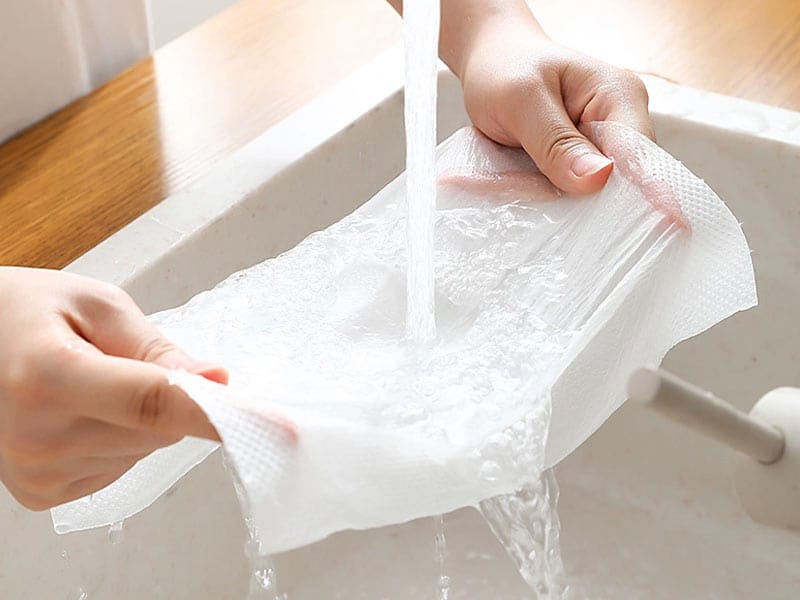
The fabric controls strength, absorbency, softness, and how much pressure the user can apply. A wipe that feels soft but collapses during scrubbing can waste time. A wipe that is too stiff may feel harsh for household users. For kitchen degreasing wipes, common nonwoven directions include spunlace for a balanced soft hand feel, apertured textures for extra soil pickup, and heavier basis weights when durability is the main concern.
If sustainability is part of the brief, ask the supplier what fiber options are available and what claims can be supported. Do not rely on generic words such as eco or natural without documentation. For broader context on safer chemical product choices, the U.S. EPA’s Safer Choice program is a useful reference point for understanding ingredient-review language, although it should not be treated as automatic certification for a specific product.
| Decision Point | What to Check | Why It Matters |
|---|---|---|
| Fabric weight | Light, medium, or heavy nonwoven | Affects durability, wetness capacity, and perceived quality |
| Texture | Smooth, embossed, or apertured surface | Influences grease pickup and scrubbing feel |
| Formula direction | Degreasing focus, mild scent, residue profile | Helps match the wipe to kitchens, appliances, and user expectations |
| Packaging | Flow pack, canister, bucket, or refill | Controls dispensing, moisture retention, and channel fit |
| Claims | Cleaning, degreasing, deodorizing, or disinfecting language | Prevents unsupported label promises and customer confusion |
Formula Choices Should Fit the Claim
A good formula for kitchen degreasing wipes should wet the surface evenly, break down greasy residue, and wipe away without leaving an unpleasant film. Fragrance should be considered carefully. A strong scent can make a product feel powerful to some retail users, but it may be unsuitable for food-adjacent environments or customers who prefer a lighter profile.
Ask whether the formula is intended for rinsing or no-rinse use, and make sure the instructions match the intended surfaces. If the wipe is not designed for direct food-contact surfaces, say so clearly. Kitchen degreasing wipes should help people clean efficiently, but clear directions are what keep a useful product from becoming a customer service problem.
Packaging Can Decide the User Experience
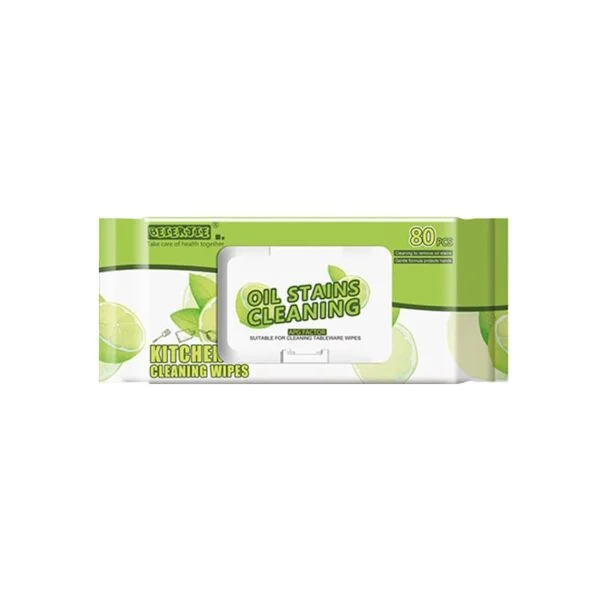
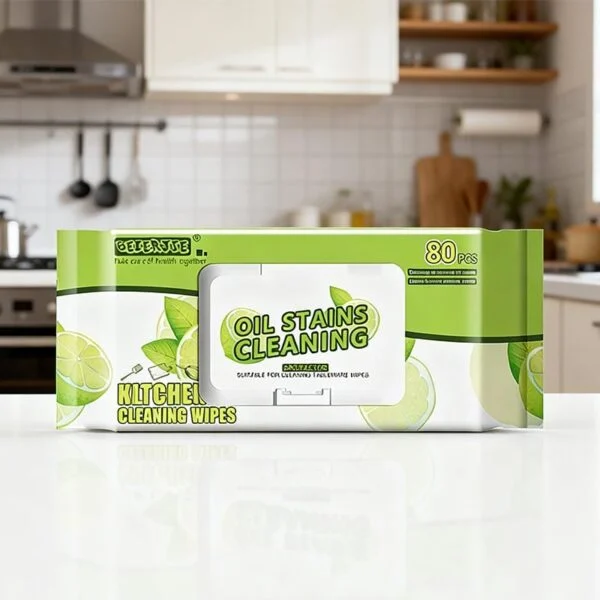
Packaging is not only a branding decision. It changes how kitchen degreasing wipes perform after opening. A resealable soft pack works well for compact storage and retail convenience, but the label and lid quality must help prevent moisture loss. Canisters can improve dispensing control and shelf presence. Buckets or larger formats may suit janitorial, hospitality, or back-of-house use.
For private label projects, packaging should be discussed early because it affects artwork dimensions, case packing, shipping efficiency, and minimum production planning. If your brand also sells household cleaning wipes, keep the pack architecture consistent enough for brand recognition while making the degreasing purpose obvious on the front panel.
Supplier Questions Before You Approve Samples
When evaluating kitchen degreasing wipes, request more than a nice-looking sample. Ask for fabric weight, sheet size, liquid loading range, packaging options, fragrance options, shelf-life approach, carton configuration, and available customization. A professional supplier should be able to discuss these items clearly and explain which choices are practical for your market.
- What surfaces were considered when developing the formula?
- Can the wipe remove greasy residue without excessive streaking?
- What pack formats are available for retail, hospitality, and bulk use?
- Which label claims are supported, and which should be avoided?
- Can samples be compared using the same sheet size and wetness level?
These questions help buyers compare kitchen degreasing wipes on real specifications rather than broad descriptions, especially when kitchen degreasing wipes are part of a wider private label cleaning range. They also make it easier to align purchasing, product development, and marketing teams before a private label project moves forward.
Common Mistakes to Avoid
The first mistake is treating all cleaning wipes as interchangeable. Kitchen grease behaves differently from dust, soap residue, or light surface dirt, so kitchen degreasing wipes need the right balance of fabric, liquid, and instructions. The second mistake is using disinfecting language when the product is positioned only for cleaning. The third mistake is choosing packaging after the formula and fabric are already fixed, which can lead to poor dispensing or a pack that dries too quickly.
Another common issue is overloading the label with claims. Buyers may want one wipe to handle every surface and every task, but a sharper use case often performs better in the market. Kitchen degreasing wipes should have a clear role: convenient grease removal for defined kitchen surfaces and cleaning routines.
Final Checklist for Buyers
Before approving kitchen degreasing wipes for sourcing or private label development, confirm the target user, surface list, soil type, fabric specification, formula direction, pack type, label claims, sample test method, and how kitchen degreasing wipes will be explained to the end user. If those points are clear, supplier conversations become faster and more productive.
For brands building a wider cleaning line, kitchen degreasing wipes can sit naturally beside surface wipes, laundry wipes, and other household formats. To discuss suitable materials, packaging, and customization options, you can contact the Beierjie team with your intended market, target pack format, and product positioning.