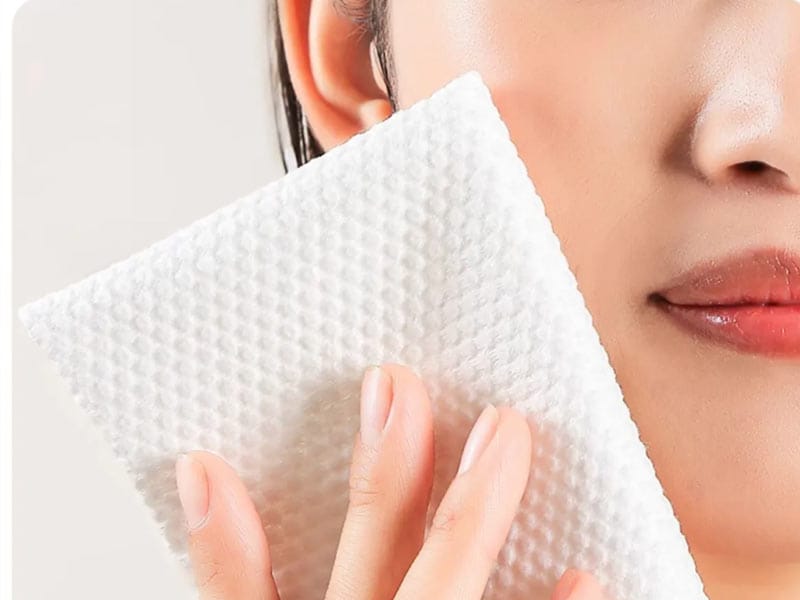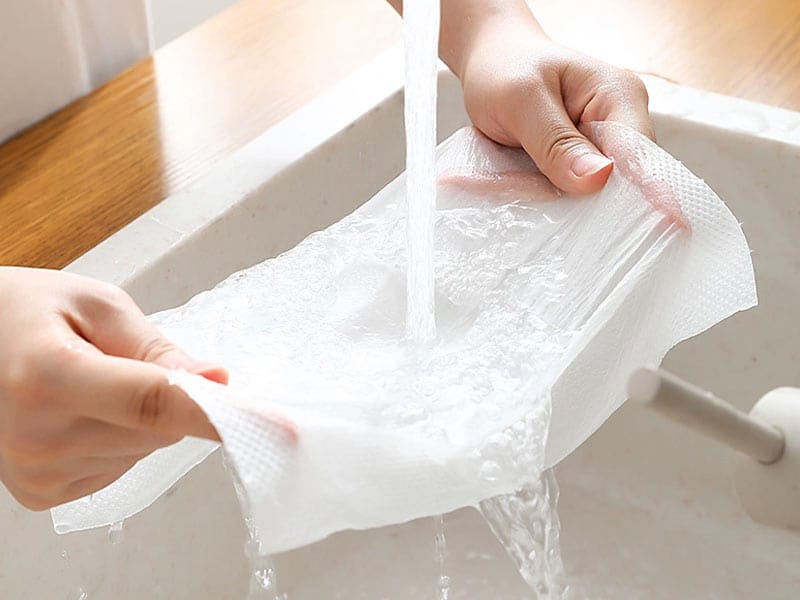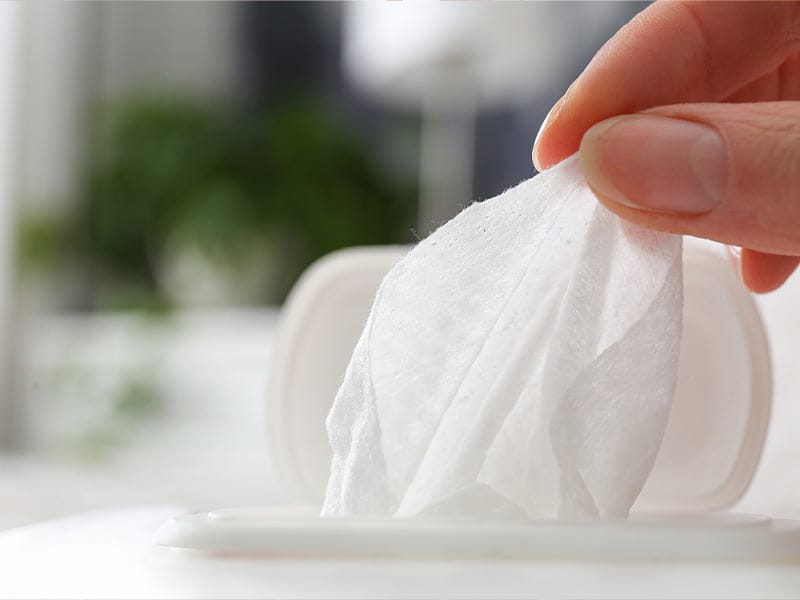
Biodegradable baby wipes are becoming increasingly important in the global personal care market as consumers and businesses focus more on sustainability and environmental responsibility. Unlike traditional wipes that may take years to decompose, biodegradable baby wipes are designed to break down naturally under the right conditions, reducing environmental impact. For brands, retailers, and distributors, offering eco friendly baby wipes is not only a market trend but also a competitive advantage. This guide explains the materials, benefits, manufacturing process, and OEM considerations for biodegradable baby wipes, helping businesses make informed decisions when sourcing or developing private label products.
Table of Contents
What Are Biodegradable Baby Wipes?
Biodegradable baby wipes are wipes made from materials that can decompose naturally through the action of microorganisms. These wipes are typically produced using plant-based fibers instead of synthetic plastics, making them a preferred choice for environmentally conscious consumers.
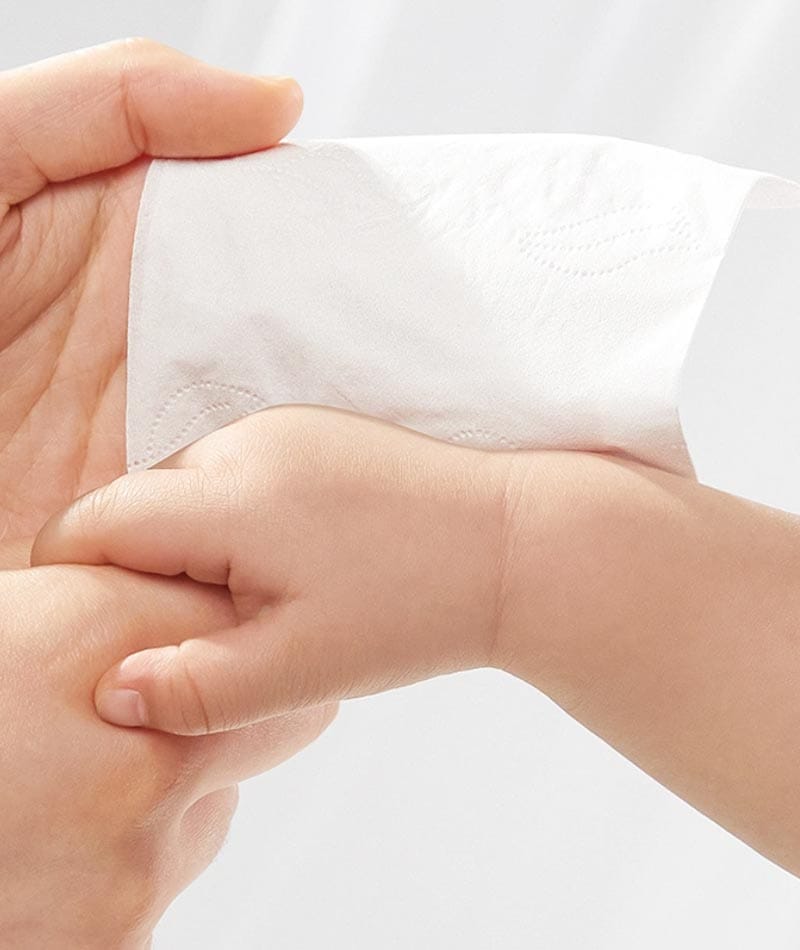
Difference Between Biodegradable and Compostable Wipes
Although often used interchangeably, biodegradable and compostable wipes are not the same. Biodegradable wipes break down over time, while compostable wipes require specific conditions to decompose into natural elements fully. Understanding this difference helps businesses choose the right positioning for their products and communicate accurately with customers.
Why the Market Is Shifting Toward Eco Friendly Baby Wipes
The demand for eco friendly baby wipes is driven by increasing environmental awareness, stricter regulations in many countries, and consumer preference for sustainable products. Retailers and distributors are also prioritizing suppliers that can provide environmentally responsible options, making biodegradable wipes a fast-growing segment in the industry.
Materials Used in Biodegradable Wet Wipes
The materials used in biodegradable baby wipes are critical to both performance and environmental impact. Choosing the right material ensures softness, durability, and effective cleaning while maintaining sustainability.
Plant-Based Fibers
Plant-based fibers such as bamboo, cotton, and wood pulp are commonly used in biodegradable wipes. These materials are renewable, naturally derived, and can decompose more easily compared to synthetic fibers.
Viscose and Non-Woven Materials
Viscose is a semi-synthetic fiber derived from natural sources like wood pulp. It offers a balance between softness and strength, making it suitable for baby wipes. Non-woven fabrics are engineered to provide durability while maintaining comfort for sensitive skin.
Chemical-Free and Hypoallergenic Formulations
In addition to the base material, the liquid formulation also plays an important role. Biodegradable baby wipes often use alcohol-free, fragrance-free, and hypoallergenic solutions to ensure safety for babies and sensitive skin.
Benefits of Biodegradable Baby Wipes
Biodegradable baby wipes offer several advantages for both consumers and businesses, making them an attractive option for private label products.
Environmental Benefits
The most significant advantage is reduced environmental impact. Biodegradable wipes break down faster than traditional wipes, helping reduce landfill waste and pollution.
Market Demand and Brand Positioning
Offering eco friendly baby wipes allows brands to position themselves as environmentally responsible. This can improve brand image and attract customers who prioritize sustainability.
Compliance With Regulations
Many regions are introducing stricter regulations on single-use plastics and non-biodegradable materials. Biodegradable wipes help businesses stay compliant with these regulations and avoid potential restrictions.
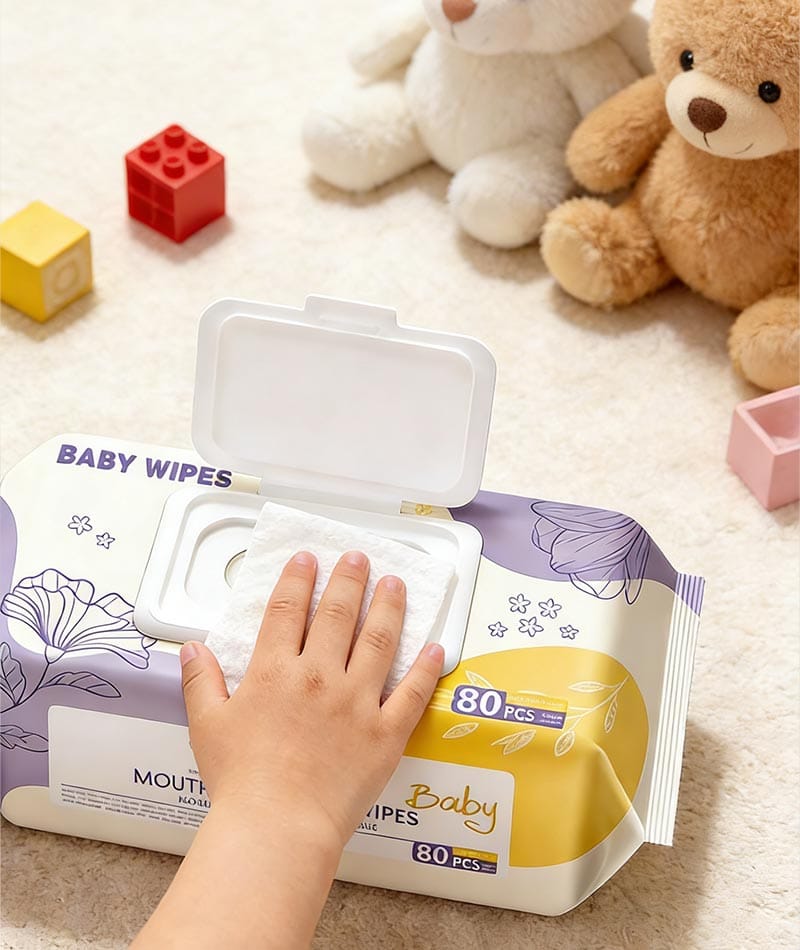
OEM Manufacturing of Biodegradable Baby Wipes
For businesses looking to launch private label biodegradable baby wipes, working with an experienced OEM manufacturer is essential. The manufacturing process involves material selection, formulation development, packaging design, and quality control.
Customization Options
OEM manufacturers typically offer a range of customization options, including:
- Material selection (bamboo, cotton, viscose)
- Wipe size and thickness
- Fragrance or fragrance-free options
- Packaging design and branding
MOQ for Biodegradable Baby Wipes
Minimum order quantity varies depending on the level of customization and material selection. Businesses should confirm MOQ early in the process to plan inventory and budget effectively.
| Product Type | MOQ (Units) | Notes |
|---|---|---|
| Biodegradable Baby Wipes | 12,000 | Standard eco-friendly material |
| Organic Baby Wipes | 10,000 | Certified organic ingredients |
| Bamboo Baby Wipes | 15,000 | Premium material option |
| Travel Eco Packs | 20,000 | Small portable packaging |
Quality Control and Certifications
Reliable manufacturers provide strict quality control and relevant certifications such as ISO, FDA, or CE. These certifications ensure that the wipes meet safety and hygiene standards required in international markets.
Packaging Options for Eco Friendly Wipes
Packaging is an important part of sustainable product design. Many brands choose recyclable or biodegradable packaging to align with the product’s eco-friendly positioning.
Recyclable Packaging
Recyclable plastic packaging is widely used due to its practicality and cost-effectiveness.
Biodegradable Packaging
Some brands opt for fully biodegradable packaging to enhance sustainability, although this option may involve higher costs.
Minimalist Packaging Design
Reducing excess packaging material not only lowers environmental impact but also appeals to modern consumers who prefer simple and clean designs.
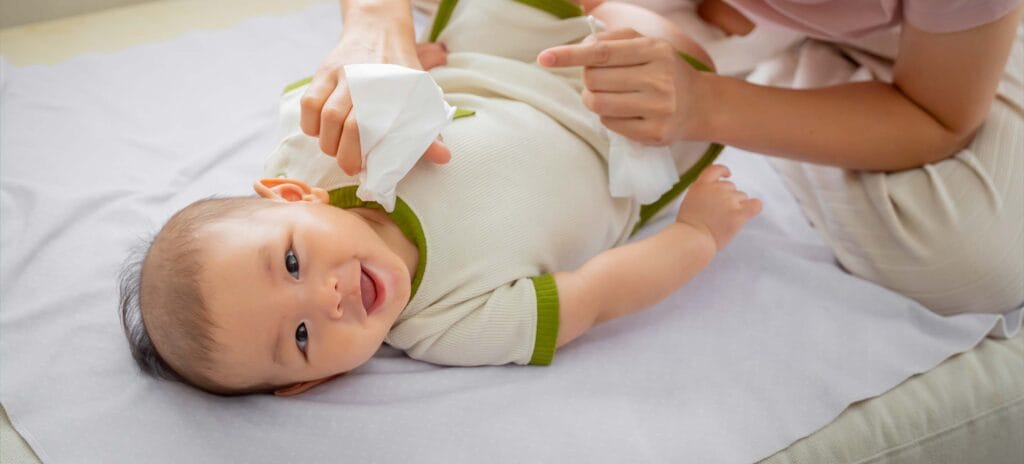
How to Choose a Biodegradable Wet Wipes Manufacturer
Selecting the right biodegradable wet wipes manufacturer is critical for product success. Businesses should evaluate suppliers based on material sourcing, production capabilities, certifications, and experience with eco-friendly products.
Key Factors to Consider
- Availability of certified biodegradable materials
- Experience in eco-friendly product manufacturing
- Ability to meet MOQ and production timelines
- Compliance with international regulations
Importance of Sampling
Requesting samples allows businesses to evaluate softness, durability, and overall quality. This step ensures that the product meets expectations before moving to large-scale production.
Market Trends for Sustainable Wet Wipes
The demand for sustainable wet wipes continues to grow as consumers become more environmentally conscious. Retailers are increasingly seeking suppliers of biodegradable and organic products. In addition, governments in many regions are implementing policies to reduce plastic waste, further driving demand for eco-friendly alternatives.
Brands that invest in biodegradable baby wipes can benefit from this trend by offering products that align with consumer values. Combining sustainability with quality and effective branding creates a strong competitive advantage in the market.
Conclusion
Biodegradable baby wipes represent a growing opportunity for businesses in the personal care industry. By understanding materials, benefits, OEM manufacturing processes, and market trends, companies can develop products that meet both consumer expectations and environmental standards. Partnering with a reliable manufacturer ensures consistent quality and compliance, allowing brands to build a strong presence in the competitive wet wipes market.
FAQ
Are biodegradable baby wipes safe for sensitive skin?
Yes, most biodegradable wipes use gentle, hypoallergenic formulations suitable for babies.
What materials are used in biodegradable wipes?
Common materials include bamboo, cotton, and wood pulp-based fibers.
What is the difference between biodegradable and compostable wipes?
Biodegradable wipes break down naturally over time, while compostable wipes require specific conditions.
Can I create a private label eco friendly wipes brand?
Yes, OEM manufacturers offer full customization for private label products.
What is the typical MOQ for biodegradable baby wipes?
MOQ usually starts around 10,000–15,000 units depending on customization.