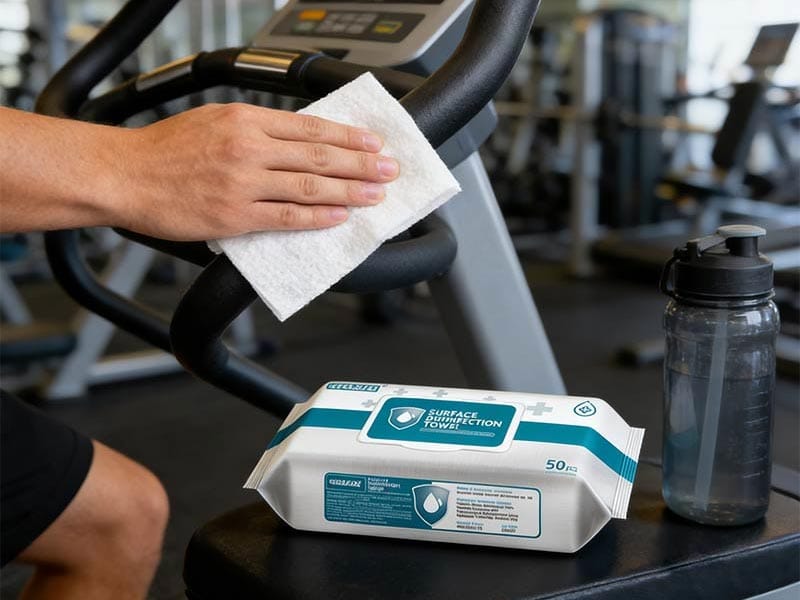
Private label wet wipes have become one of the most efficient ways for businesses to enter the hygiene and personal care market. Instead of managing manufacturing, companies can work with experienced wet wipes suppliers to produce high-quality products under their own brand. This approach allows for full customization in materials, fragrance, thickness, and packaging while leveraging the manufacturer’s expertise to maintain product consistency and compliance with international regulations.
In this guide, we will cover every aspect of private label wet wipes, including OEM processes, MOQ requirements, packaging options, supplier selection, material choices, and market trends, helping businesses make informed decisions and launch products successfully.
Table of Contents
What Are Private Label Wet Wipes?
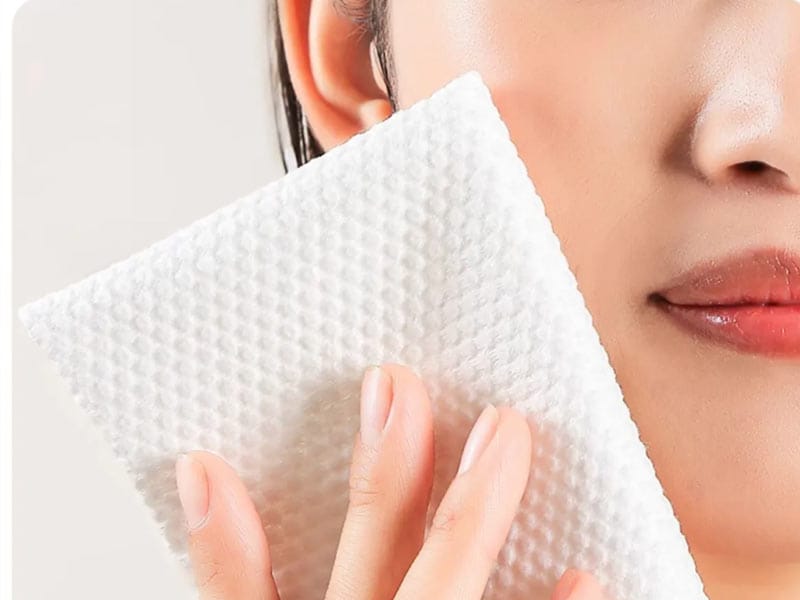
Private label wet wipes are manufactured by a third-party factory but sold under your brand. Unlike standard OEM products, private label emphasizes branding, product differentiation, and customization. Businesses can design their wipes to meet market demands, including size, thickness, fragrance, and materials. These products are widely used in categories such as baby wipes, disinfectant wipes, alcohol-based sanitizing wipes, and eco-friendly biodegradable wipes.
Advantages of Private Label Wet Wipes
The key advantages of private label wet wipes include quick market entry without building a factory, full customization of products and packaging, consistent quality ensured by professional manufacturers, the ability to launch multiple SKUs under one brand, and cost-effectiveness compared to in-house production. These benefits make private label wet wipes especially suitable for startups and growing companies looking to quickly establish a brand presence.
Common Applications
Private label wet wipes are used in multiple scenarios, including baby care for sensitive skin, household disinfecting wipes, travel packs for convenience, and eco-friendly wipes for sustainability-conscious consumers. By selecting the right type of wipe and tailoring it to market needs, businesses can differentiate their brand and gain customer loyalty.
Understanding the OEM Process for Wet Wipes
OEM (Original Equipment Manufacturer) is the production method where a manufacturer creates products according to client specifications. Private label wet wipes rely heavily on OEM manufacturers to maintain quality while enabling customization. The OEM process involves selecting a manufacturer, defining product specifications, choosing packaging, confirming MOQ, and testing samples.
Selecting the Right Manufacturer
Choosing a reliable manufacturer is crucial. Businesses should consider factory certifications such as ISO, FDA, CE, and SGS, production capacity to handle order volume, experience with private label projects, and robust quality control procedures to maintain consistency. Suppliers with prior private label experience can better handle customization requests and minimize production errors.
Defining Product Specifications
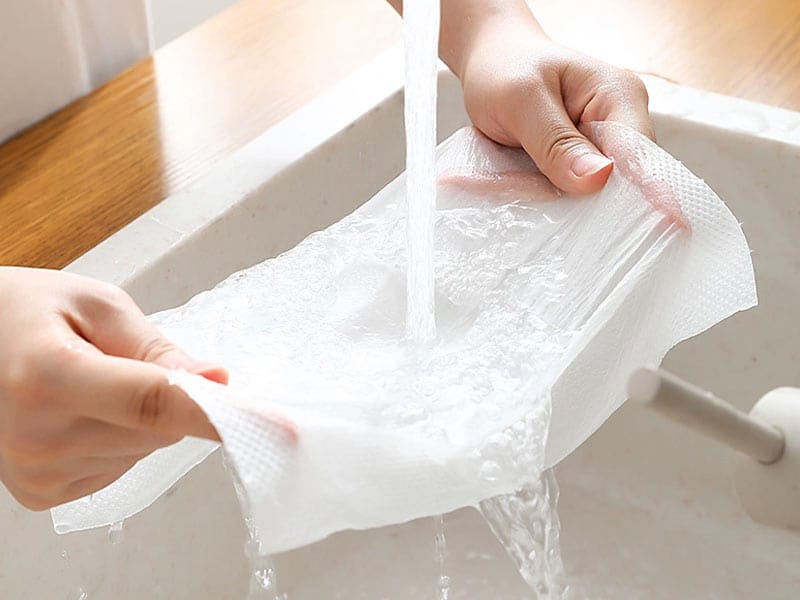
Once a manufacturer is selected, businesses define product specifications, including wipe material, size, thickness, fragrance, and formulation. Non-woven fabrics are commonly used for their softness and durability. Biodegradable fibers and organic materials are options for eco-conscious consumers. Alcohol-based, water-based, or hypoallergenic formulations cater to different market segments.
Packaging Selection
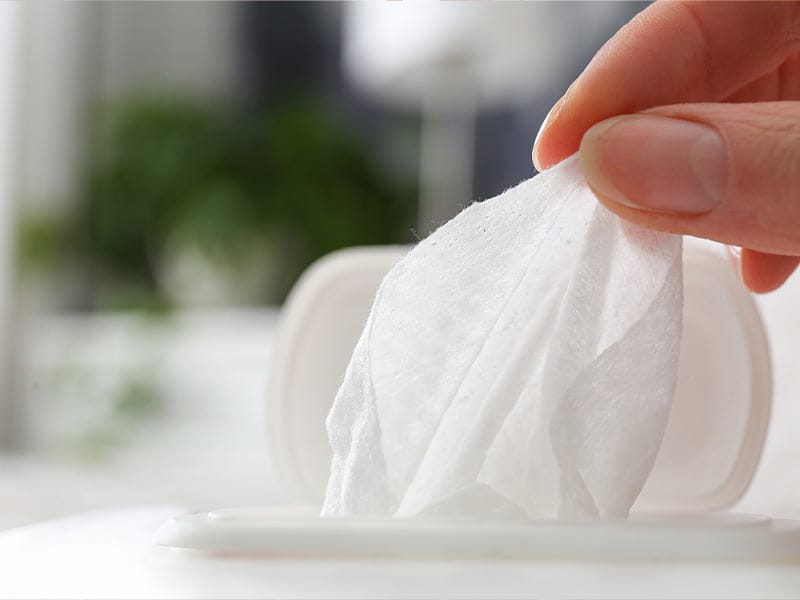
Packaging is a critical factor that affects usability, shelf life, and brand perception. Flow packs are flexible and lightweight, suitable for personal or household use. Tubs and jars are durable, resealable, and ideal for home or commercial environments. Travel packs are compact and convenient for on-the-go use or promotional campaigns. Eco-friendly packaging, including biodegradable and recyclable materials, appeals to environmentally conscious consumers. Well-chosen packaging enhances the user experience and strengthens brand identity.
Confirming MOQ and Testing Samples
Minimum order quantities (MOQ) ensure efficient production. Typical MOQs vary depending on product type, material, and packaging. Requesting samples before placing bulk orders is critical to evaluate quality, fragrance, texture, and usability. Samples allow businesses to test the product before committing to large quantities, reducing the risk of costly errors.
Minimum Order Quantity (MOQ) for Private Label Wipes
MOQ is a key consideration for companies planning private label production. It balances production efficiency with cost-effectiveness and varies depending on product type, materials, and packaging. Standard baby wipes typically have lower MOQs compared to specialized disinfectant or biodegradable wipes. Knowing MOQ requirements in advance allows companies to plan inventory and budget effectively.
| Product Type | MOQ (Units) | Notes |
|---|---|---|
| Baby Wipes | 10,000 | Standard pack, customizable label |
| Disinfectant Wipes | 15,000 | Alcohol-based formula, OEM branding |
| Biodegradable Wipes | 12,000 | Eco-friendly materials, private label |
| Organic Baby Wipes | 10,000 | Certified organic ingredients, optional fragrance |
| Travel Packs | 20,000 | Compact, portable packs for retail or promotional use |
Understanding these MOQs helps businesses forecast costs, plan production schedules, and launch products efficiently.
Selecting the Right Materials
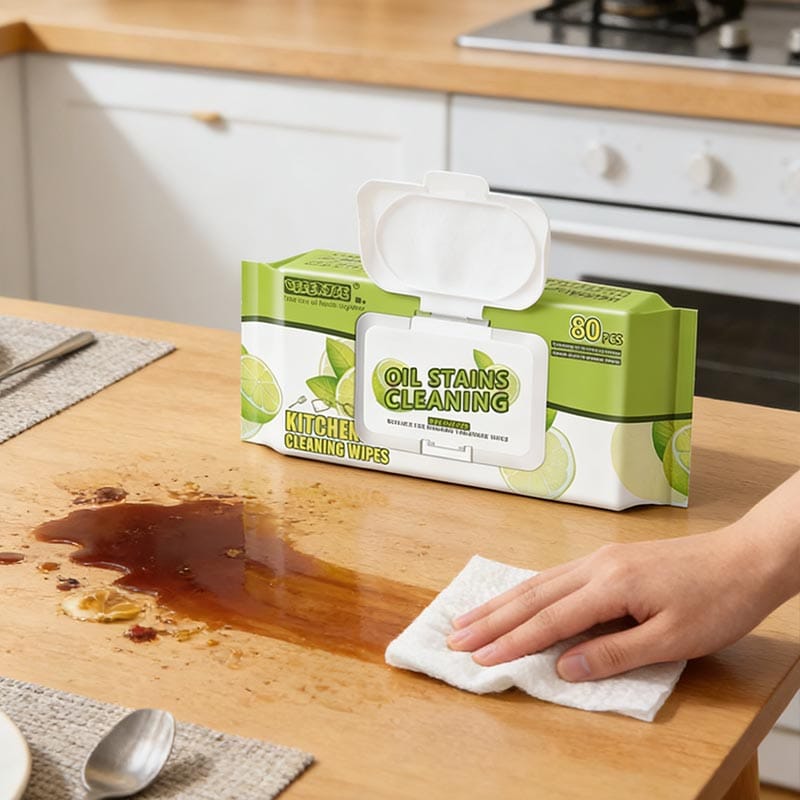
The choice of materials directly impacts the wipe’s quality, safety, and performance. Non-woven fabrics provide softness and durability for baby wipes and general household use. Biodegradable fibers break down naturally and appeal to eco-conscious consumers. Organic materials offer safety for sensitive skin and can justify premium pricing. Alcohol-based formulations are ideal for disinfecting wipes, while water-based or hypoallergenic formulas suit baby wipes and other sensitive applications.
Packaging and Branding Strategies
Packaging serves both functional and marketing purposes. Flow packs are convenient for daily use and retail display. Tubs and jars maintain moisture and are suited for bulk use in homes or offices. Travel packs offer portability and promotional opportunities. Eco-friendly packaging communicates brand responsibility and aligns with sustainability trends. Brands should invest in packaging design that stands out on shelves while providing convenience and protection for the wipes.
How to Choose a Reliable Supplier
Selecting the right supplier is essential for private label success. Businesses should check certifications, production capacity, previous private label experience, and quality control procedures. Requesting samples helps evaluate product quality and packaging effectiveness. Ensuring regulatory compliance for target markets, such as FDA approval in the U.S. or CE certification in Europe, is crucial for legal sales and consumer trust.
Market Trends in Private Label Wet Wipes
The private label wet wipes market continues to grow due to increasing hygiene awareness and demand for convenience. Baby wipes are in demand for hypoallergenic, fragrance-free, and organic options. Disinfectant and alcohol wipes are essential for healthcare, commercial, and home environments. Biodegradable wipes appeal to environmentally conscious consumers, while travel and promotional packs offer flexibility and marketing advantages. Understanding these trends allows businesses to tailor products to consumer preferences and market demands.
Conclusion
Private label wet wipes offer a scalable, cost-effective, and customizable solution for businesses entering the hygiene market. By understanding the OEM process, MOQ requirements, material options, packaging strategies, supplier selection, and market trends, companies can successfully launch high-quality products.
Partnering with experienced manufacturers ensures compliance, consistency, and efficiency, enabling businesses to focus on branding, marketing, and customer engagement. By providing quality, eco-friendly, and well-branded products, businesses can achieve long-term success and growth in the private label wet wipes industry.
FAQ
What is the difference between private label and OEM wet wipes?
Private label emphasizes branding under your company, while OEM refers to the manufacturer’s production process.
Can I customize fragrance, thickness, and materials?
Yes, customization is a primary advantage of private label wet wipes.
What is a typical MOQ for private label baby wipes?
MOQs generally start at 10,000 units per SKU, depending on supplier and product type.
Are eco-friendly options available?
Yes, biodegradable and organic wipes are widely available.
How long does it take to receive samples?
Sample production typically takes 7–14 days depending on customization and supplier workload.